Google Turns Any Headphones Into Real-Time Translation Earbuds
Google’s Gemini AI now turns any Android headphones into real-time language earbuds, supporting 70+ languages without special hardware.
Hasan Wazid
Google Expands Real-Time Translation Beyond Specialized Earbuds
Real-time language translation has long been one of the most anticipated uses of artificial intelligence. While early tools were limited to text or required specialized hardware, Google is now taking a major step toward making live language conversion widely accessible.
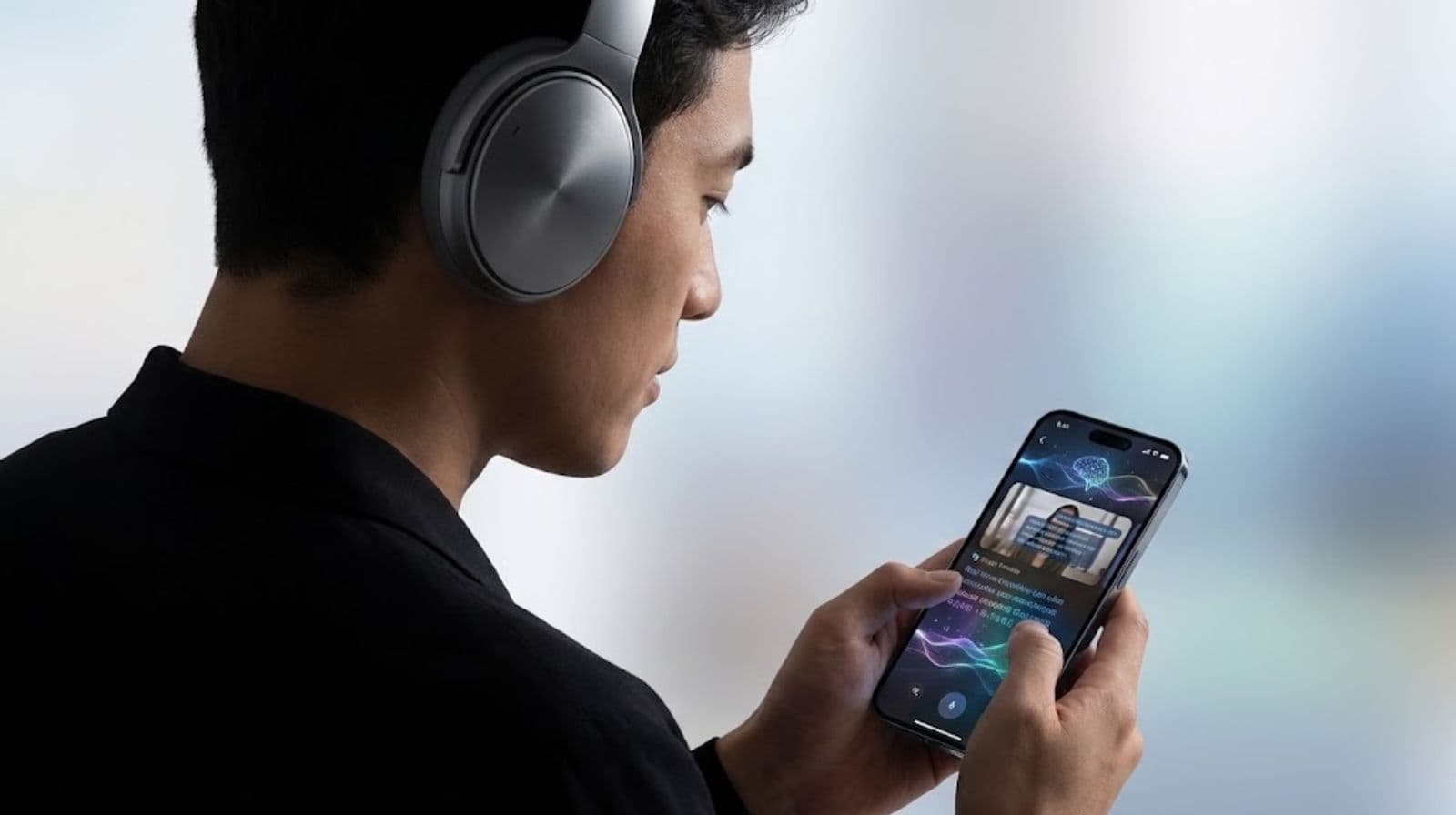
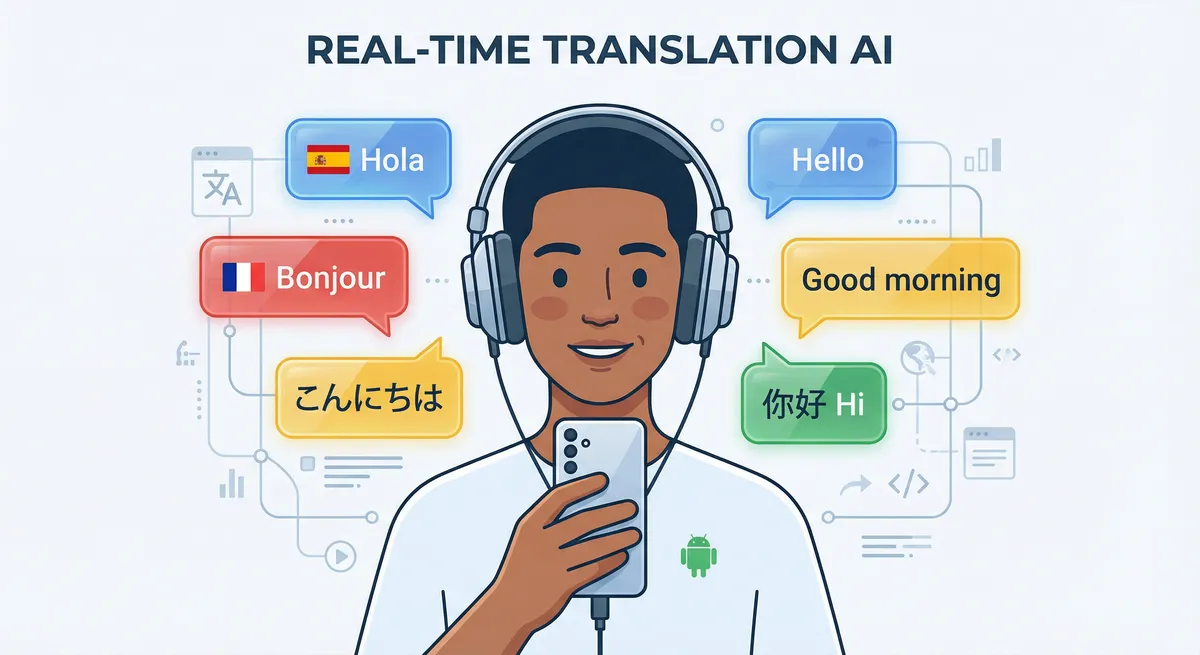
With a new update to the Google Translate app, Google is effectively turning any headphones into real-time interpreting earbuds. Powered by Gemini AI, the feature allows users to hear translated speech instantly through their existing wired or wireless headphones—no proprietary earbuds required.
This update shows a clear change in how AI tools help people communicate across languages. Instead of locking advanced features behind new hardware purchases, Google is leveraging software and AI to expand functionality across millions of existing devices.
For years, real-time language translation felt like a futuristic promise limited to expensive devices. With this update, Google makes that future practical, affordable, and available to almost everyone.
How Gemini AI Powers language support
At the core of this update is Gemini, Google’s advanced generative AI model. Gemini replaces older translation systems with a more natural and context-aware approach to language processing.
Unlike traditional translation tools that focus on word-for-word accuracy, Gemini analyzes:
Speaker tone and emphasis
Sentence rhythm and pacing
Conversational context
Idiomatic expressions
This allows Gemini to produce translations that sound more natural and conversational. In live settings, this difference is crucial. Listeners can follow conversations without the robotic pauses or awkward phrasing that often accompany older translation tools.
Turning Any Headphones Into Translation Earbuds
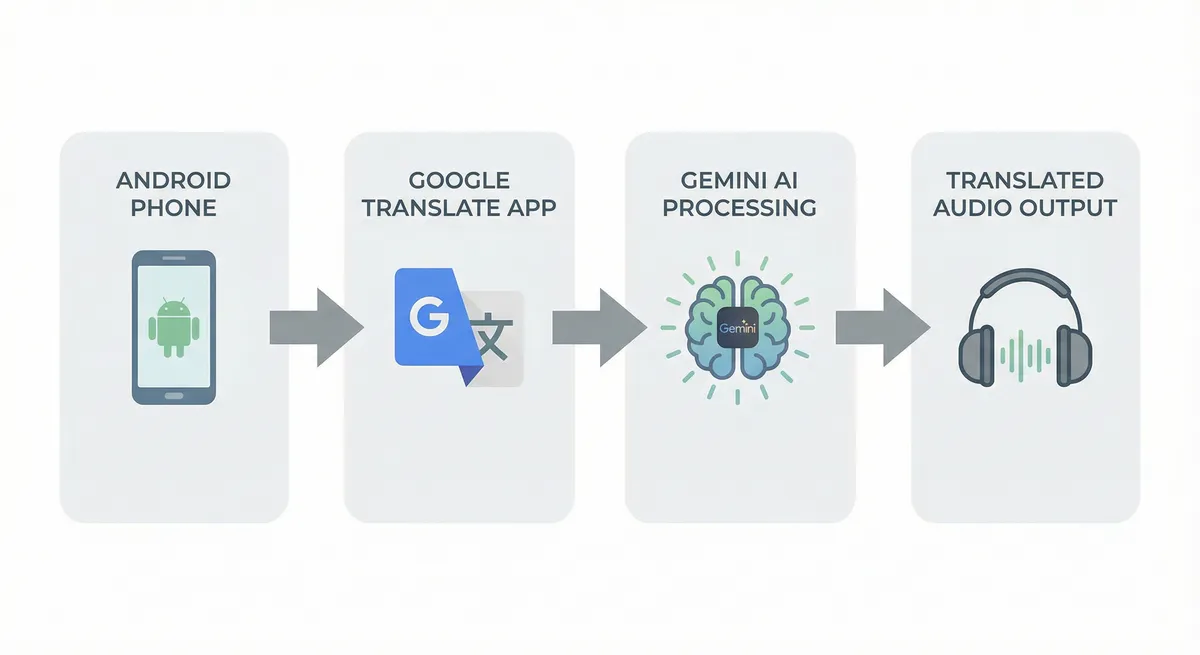
One of the most important aspects of this update is its hardware flexibility. Users do not need to purchase new earbuds or proprietary accessories.
To use the feature, Android users simply:
Open the Google Translate app
Pair their phone with any headphones
Enable live translation
Select source and target languages
Once activated, translated speech plays directly into the headphones in near real time. This applies to live conversations, recorded content, and spoken media.
By supporting any headphones, Google dramatically lowers the barrier to entry for real-time language conversion.
Supported Use Cases: From Conversations to Media
Google’s real-time translation feature is not limited to one-on-one conversations. According to the update, users can receive translations from:
In-person conversations
Public speeches and presentations
Television shows
Movies and streamed content
This makes the feature useful not only for travelers but also for students, professionals, and multilingual households too.
For example, a user watching a foreign-language documentary can hear translated audio while preserving the original speaker’s tone. Similarly, international meetings can become more accessible without requiring every participant to speak the same language.
Language Support: Over 70 Languages at Launch
The beta version currently supports more than 70 languages, making it one of the most extensive real-time language conversion rollouts to date.
Supported languages include major global languages such as:
English
Spanish
French
German
Italian
Russian
Ukrainian
Chinese
Japanese
Korean
It also includes broader regional and cultural coverage, such as:
Standard Arabic
Palestinian Arabic
Hindi
Urdu
Zulu
This wide language range reflects Google Translate’s maturity as a platform and Gemini’s ability to handle complex linguistic variations.
Availability and Regional Rollout
At launch, the live translation beta is available to Android users in:
United States
Mexico
India
Google has confirmed that the feature will expand to more countries and regions over time. Support for iOS devices is planned for next year, although an exact timeline has not yet been announced.
This staggered rollout allows Google to refine performance, gather user feedback, and scale infrastructure before a broader release.
Gemini-Powered Text Translation Also Expands
In addition to live speech translation, Google has also upgraded text translation using Gemini AI.
Gemini-powered text translation is now available in:
United States
India
It currently supports 20 languages, including Spanish, Hindi, Chinese, Japanese, and German. Users can access these features across:
Android apps
iOS apps
Web browsers
These improvements make translated text sound more fluent and contextually accurate, especially for longer passages.
How Google’s Approach Differs From Apple’s
Apple recently introduced live translation features with iOS 26, enabling real-time translation for text and spoken conversations on supported iPhones.
However, Apple’s implementation comes with notable limitations:
Live audio translation works only with select AirPods models
Language support is more limited
Requires compatible Apple Intelligence hardware
Currently supported Apple languages include Mandarin Chinese, English, French, German, Italian, Japanese, Korean, Portuguese, and European Spanish.
In contrast, Google’s solution:
Works with any headphones
Supports far more languages
Runs on existing Android devices
This difference highlights contrasting strategies. Apple focuses on tight ecosystem integration, while Google prioritizes scale and accessibility.
For broader Apple software coverage, see our related report:
👉 iOS 26.2 Security Update: Critical Vulnerabilities Fixed
https://searchdrive.io/blog/ios-26-2-security-update-critical-vulnerabilities-fixed
Google’s Growing Investment in Gemini AI
The real-time translation update is part of Google’s broader push to integrate Gemini AI across its ecosystem.
Gemini is increasingly powering:
Google Translate
Search enhancements
Productivity tools
AI-assisted learning features
This aggressive expansion reflects Google’s effort to stay competitive in the rapidly evolving AI landscape, particularly as rivals invest heavily in generative AI.
Compared to Apple Intelligence, which still relies partly on external AI models, Gemini benefits from Google’s long-standing experience in language processing and translation.
Language Learning Tools Get an Upgrade
Google has also enhanced the language learning tools within Google Translate.
The updated tools now include:
More detailed pronunciation feedback
Daily progress tracking
Improved lesson structure
The experience resembles popular language-learning platforms, but remains integrated directly within Google Translate.
Language learning support has expanded to nearly 20 additional countries, including:
Germany
India
Sweden
Taiwan
New courses are also being introduced. For English speakers, new learning options include German and Portuguese. Meanwhile, English courses are now available for speakers of Bengali, Mandarin, Dutch, German, Hindi, Italian, Romanian, and Swedish.
Practical Impact for Users
This update has real-world implications across multiple scenarios:
Travelers can navigate foreign countries more easily
International teams can collaborate with fewer language barriers
Students can access educational content in more languages
Families in multilingual households can communicate more naturally
By removing the need for specialized hardware, Google ensures that real-time translation is no longer limited to early adopters or premium device owners.
Privacy and Data Considerations
As with all AI-powered services, privacy remains a key concern. Google states that translation features operate under existing Google Translate privacy policies.
Users should be aware that:
Audio input may be processed to deliver translations
Data handling depends on regional privacy regulations
Users should review app permissions before enabling live translation
Maintaining transparency and user control will be critical as Google expands this feature globally.