Google Brings Opal to Gemini Web: Now You Can Build AI Mini-Apps with Just Words
Google has integrated Opal into the Gemini web experience, enabling users to build AI-powered mini-apps using natural language prompts.
Hasan Wazid
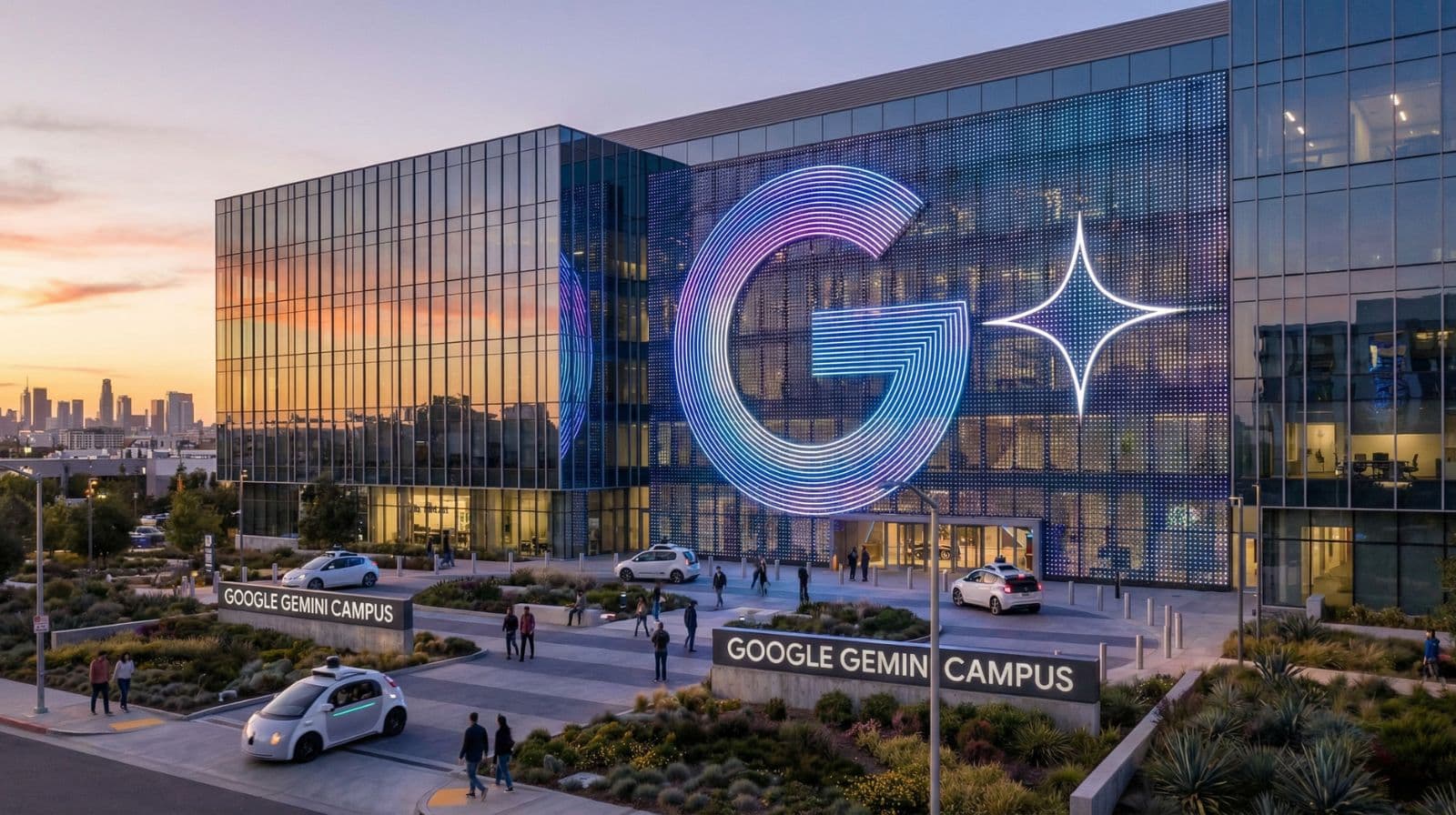
Google brings Opal to lets users build AI-powered mini apps
In a move that significantly lowers the barrier to software creation, Google today announced the integration of Opal directly into the web version of Gemini. Previously a standalone experiment within Google Labs, Opal is a powerful new tool that allows users to build fully functional "mini-apps"—known as Gems—using nothing but natural language descriptions.
The update, rolling out globally to Gemini Advanced and standard users on the web starting today, transforms the Gemini interface from a simple chatbot into a capable "no-code" app studio. This shift marks a major milestone in the trend of vibe coding where the focus moves from writing syntax to describing outcomes.
What is Opal?
At its core, Opal is an AI-powered engine designed to bridge the gap between an idea and a working application. While custom chatbots (like OpenAI’s GPTs) have existed for some time, Opal goes a step further by creating structured workflows. Instead of just a conversational persona, an Opal-powered Gem can perform a sequence of distinct actions, visualize data, and present a custom user interface (UI) tailored to specific tasks.
“Opal is about democratization,” said a Google spokesperson in the official announcement. “We wanted to give anyone the power to build tools that solve their specific problems, whether they know how to code or not. You describe the workflow, and Opal handles the logic, the interface, and the backend.”
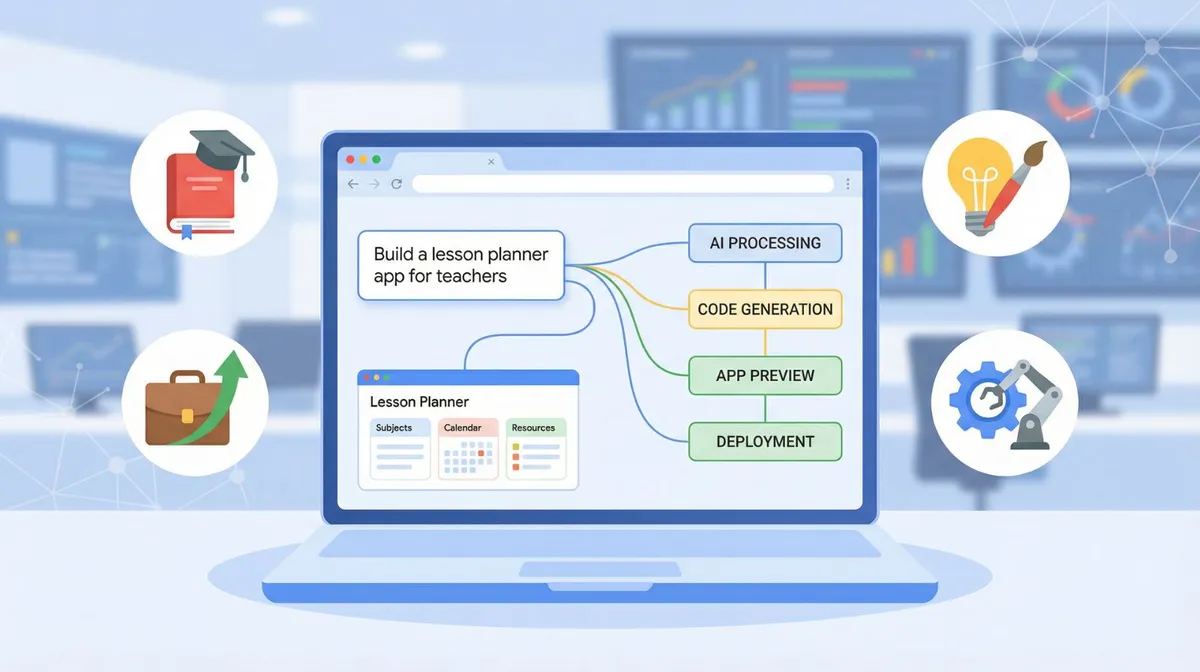
How It Works: From Prompt to Product
The integration creates a seamless experience within the existing Gemini web interface (gemini.google.com). Users will now see a new "Build with Opal" option within the Gems manager.
The process is designed to be intuitive:
Describe: The user types a natural language prompt describing what they want the app to do. Example: "Create a study planner that takes a list of topics and my available hours, then generates a spaced-repetition schedule and a quiz for each topic."
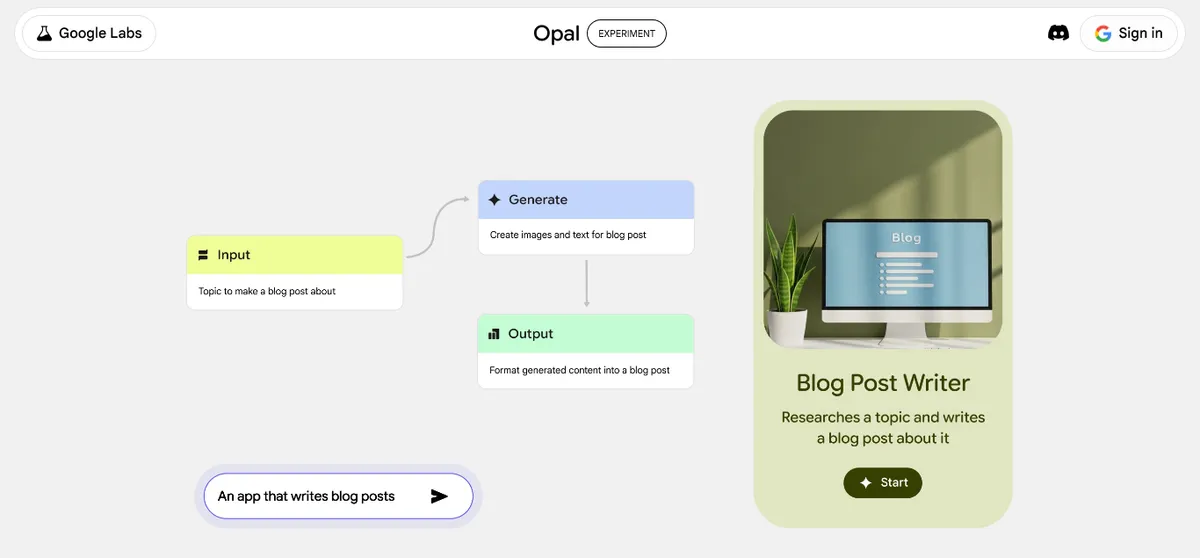
Visualize: Opal analyzes the request and generates a visual flowchart of the application's logic. It identifies the necessary inputs (e.g., "List of Topics," "Study Hours") and the required AI actions (e.g., "Generate Schedule," "Create Quiz").
Refine: Users can interact with a visual editor to tweak the steps. If the AI assumes you want a multiple-choice quiz but you prefer open-ended questions, you can simply click the step and ask for the change.
Publish: Once satisfied, the user clicks "Create," and the Gem is saved to their library. It can be used personally or shared via a link with other Gemini users.
Key Features of the Opal Update
1. The Visual Editor One of Opal’s standout features is its visual interface. Unlike standard chatbot creation tools that rely solely on text instructions, Opal presents the app’s logic as a series of editable blocks. This allows "citizen developers" to see exactly how data flows through their mini-app, making debugging and customization significantly easier.
2. Remixability In the spirit of open collaboration, Google has enabled a "Remix" feature. Users can browse a gallery of public Gems created by Google Labs or the community. If they find a tool that almost fits their needs, they can open it in Opal, see how it was built, and modify the prompts or logic to perfect it for their own use case.
3. Multi-Step Workflows Opal Gems are not limited to single-turn responses. They can chain together multiple models and tools. A single Gem could, for instance, first search the web for the latest stock prices (Action A), then use a reasoning model to analyze the trends (Action B), and finally generate a visual chart (Action C) using Gemini’s newly updated data visualization capabilities.
read more Google Turns Any Headphones Into Real-Time Translation Earbuds
Use Cases: Who is This For?
Early beta testers from the Google Labs program have already demonstrated a wide range of applications for Opal, highlighting its versatility across different sectors:
Educators: Teachers have built Gems that instantly convert lesson notes into differentiated reading materials for students with varying reading levels.
Small Business Owners: A popular early example is an "Inventory Forecaster" Gem that takes sales data (uploaded via spreadsheet) and predicts restocking needs for the coming month.
Creatives: Writers are using Opal to build "World Builders" that maintain consistency in their stories, tracking character relationships and plot timelines across chapters.
Enterprise Teams: Internal teams are using Opal to create standardized compliance checkers, ensuring that all marketing copy adheres to brand guidelines before it ever reaches a human reviewer.
The Rise of Vibe Coding
This update comes at a time when the tech industry is buzzing about "vibe coding"—a term popularized to describe building software through high-level creative direction rather than granular engineering.
By bringing Opal to the mainstream Gemini web client, Google is betting that the future of software development for the average person isn't Python or JavaScript, but English (or any other natural language). It lowers the floor for entry, allowing a marketing manager to build a custom analytics tool in five minutes that might have previously required a ticket to the IT department and a week of waiting.
Privacy and Availability
Google has stated that Gems created with Opal are private by default but can be shared publicly if the user chooses. For enterprise users on Gemini Business or Enterprise plans, additional governance controls are available to ensure that sensitive company data remains secure within custom Gems.
The Opal update is live today on the web version of Gemini. Mobile support for creating Opal apps is expected to follow in early 2026, though mobile users can already use Gems created on the web.
What’s Next?
With the release of Opal, Gemini is rapidly evolving from a passive assistant into an active platform. As users begin to populate the ecosystem with their own custom Gems, Google creates a sticky network effect where the value of Gemini grows not just with the model's intelligence, but with the creativity of its user base.
For now, the message from Mountain View is clear: You don't need to be a coder to build an app. You just need an idea and Gemini.