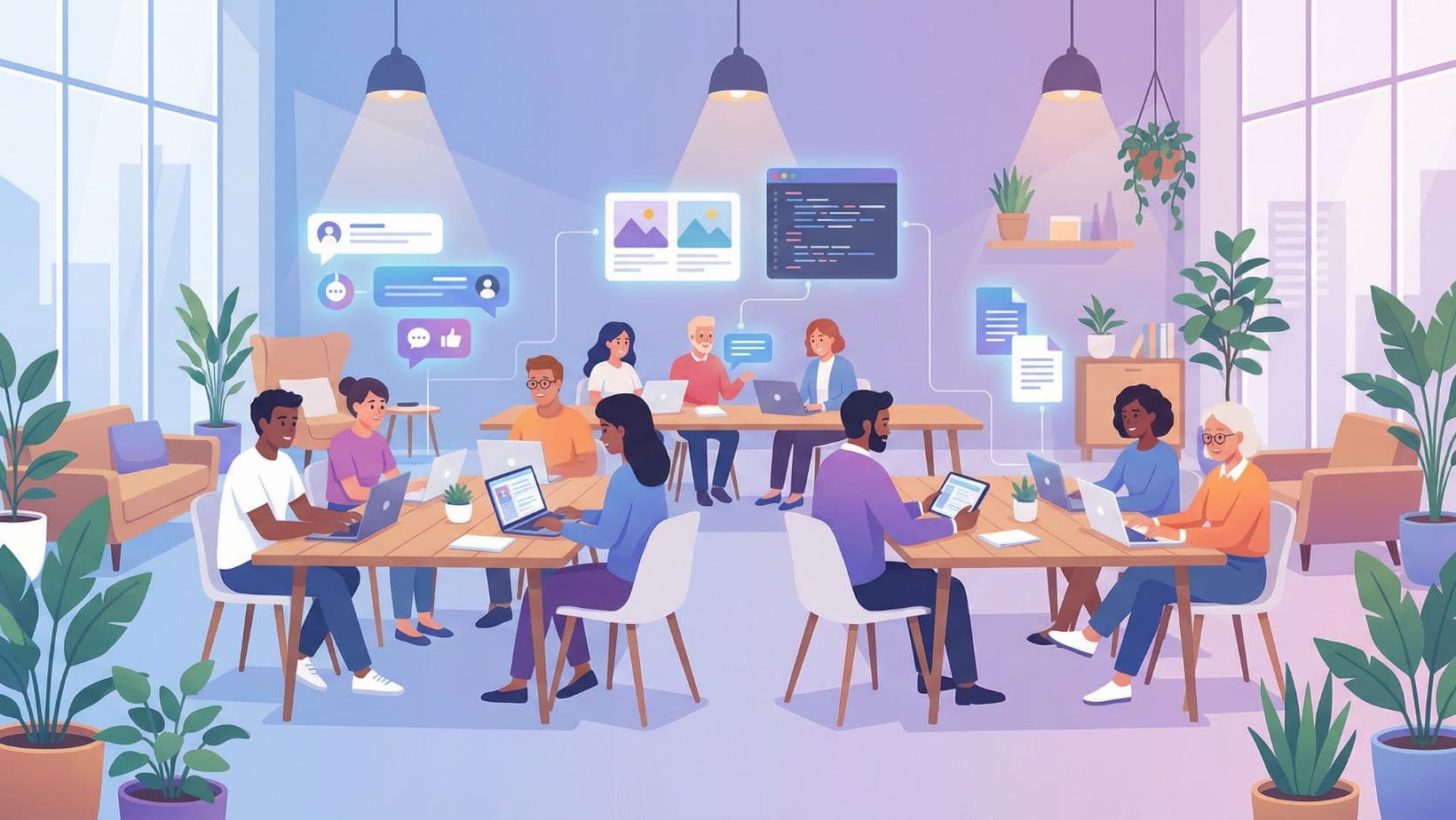
How People Are Using Technology to Work Smarter, Not Harder
Discover more how people use modern technology to work smarter, save time, boost productivity, and achieve better work-life balance in 2026 and beyond.
Naeim Ahmed
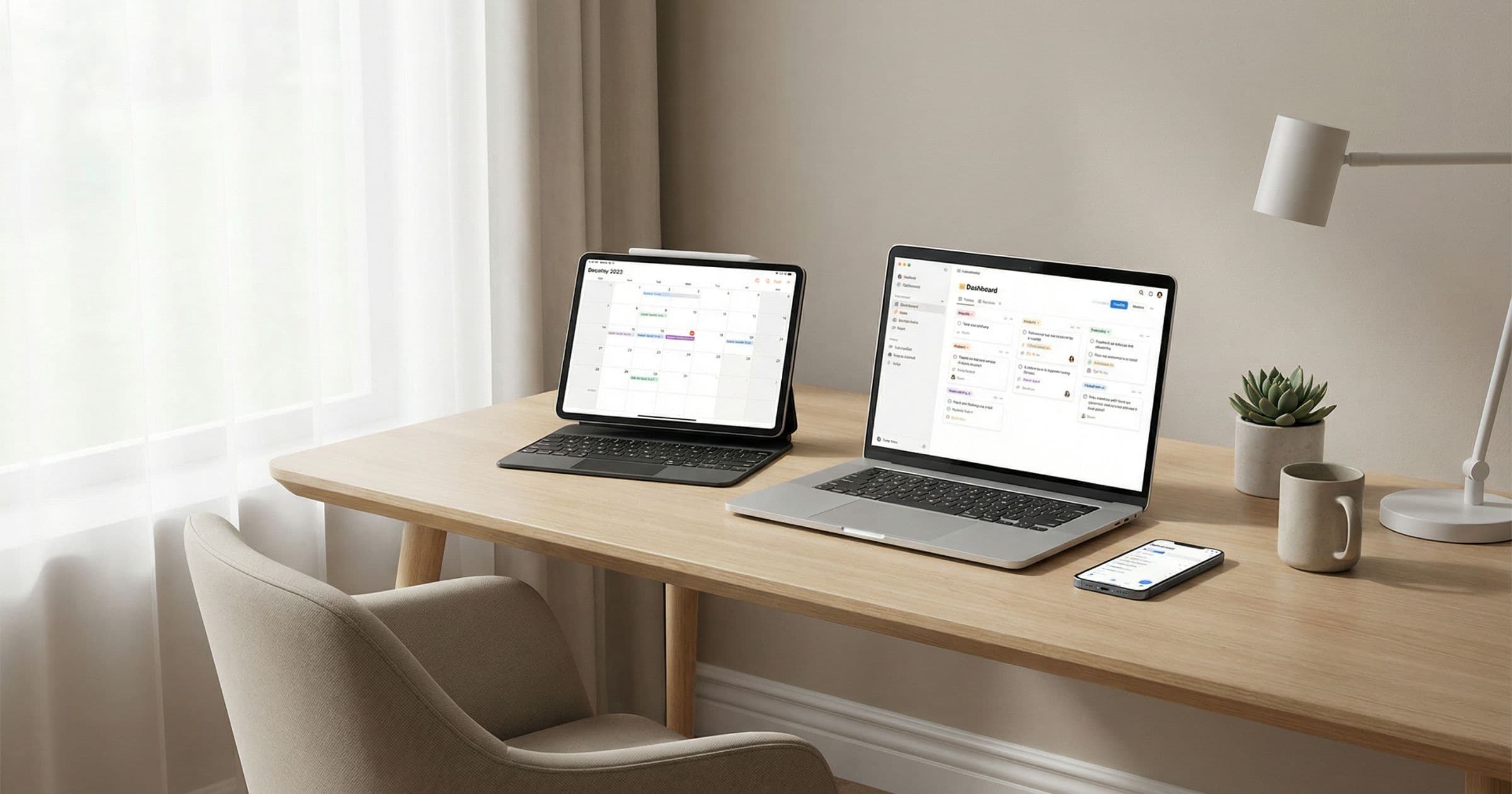
Technology helps automate repetitive tasks and reduce manual workload Digital tools improve focus, collaboration, and time management Remote and hybrid work rely heavily on cloud-based platforms
Too long? Ask AI to summarize
Get a quick summary of this article using your favorite AI assistant
Introduction
The way people work has changed dramatically over the past decade. Long hours and constant busyness are no longer reliable indicators of productivity. Instead, people focus on outcomes, efficiency, and sustainability. Technology plays a central role in this shift toward working smarter rather than harder.
Modern digital tools allow individuals to streamline tasks, automate repetitive work, and collaborate more effectively. From freelancers to large organizations, technology helps reduce unnecessary effort while improving results. The goal is not to do more work but to do the right work efficiently.
As workloads increase and attention becomes fragmented, smarter work strategies become essential. Technology helps people manage complexity without becoming overwhelmed. It supports better planning, clearer communication, and improved focus.
This article explores how people use technology to work smarter in real-world situations. It covers productivity tools, automation, collaboration platforms, data-driven workflows, and emerging trends shaping the future of work. Whether you are a beginner or experienced professional, these insights apply across industries.
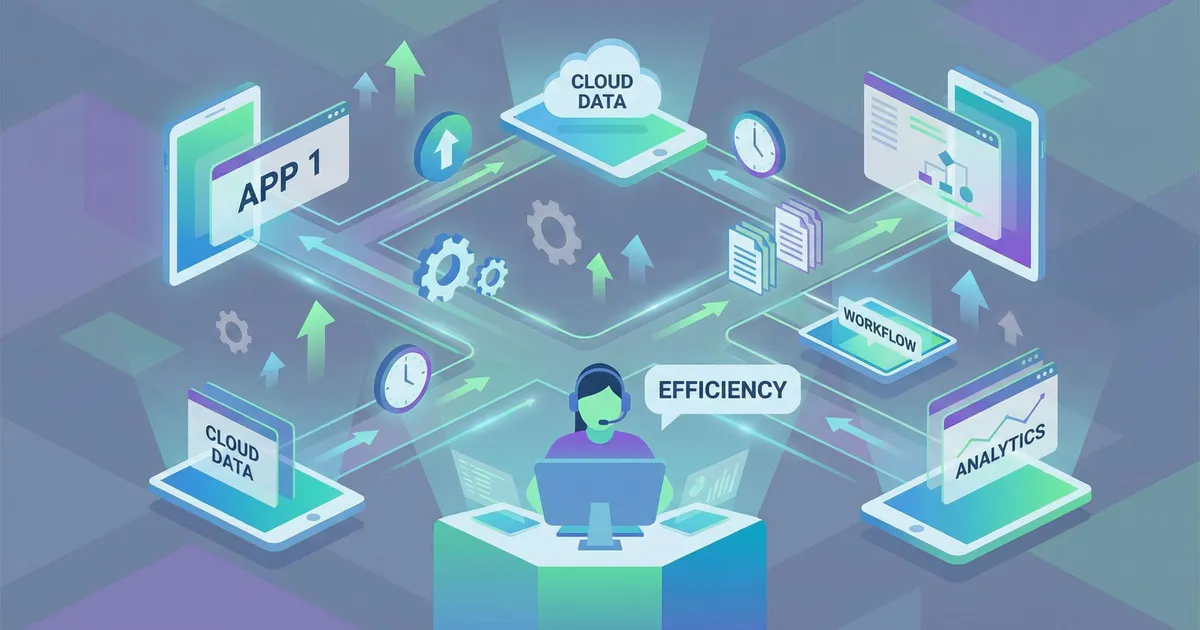
Why Working Smarter Matters More Than Ever
The Evolution of Work Culture
Technology has fundamentally changed how people approach work, productivity, and daily professional responsibilities. Instead of relying on long hours, many professionals now focus on efficiency, automation, and smarter decision-making processes. Digital tools help reduce repetitive tasks, minimize distractions, and improve focus throughout the workday. As a result, individuals can achieve better outcomes while maintaining healthier work-life balance. This shift benefits employees, freelancers, and businesses alike.
Modern work environments increasingly reward strategic thinking over sheer effort and constant availability. People who adopt the right tools often experience less burnout and higher job satisfaction. Productivity is no longer about doing more tasks, but about doing the right tasks effectively. Technology supports this change by simplifying workflows and improving collaboration. Working smarter has become a competitive advantage rather than an optional improvement.
Burnout and the Limits of Working Harder
Working harder has clear limits. Constant pressure leads to fatigue, stress, and burnout. Many professionals experience declining performance when workloads exceed sustainable levels. Technology helps address this problem by reducing unnecessary work.
Automation and digital systems remove repetitive tasks that consume time and energy. Smarter workflows allow people to focus on meaningful contributions. This reduces stress while maintaining productivity.
By working smarter, people protect their mental and physical well-being.

The Value of Efficiency Over Effort
Efficiency focuses on achieving goals with minimal wasted resources. Technology enables efficiency by optimizing how tasks are performed. Tools handle organization, reminders, and data processing automatically.
When systems manage routine work, people make better use of their skills. Creativity, strategy, and decision-making receive more attention. This leads to higher quality outcomes.
Efficiency supported by technology creates long-term productivity rather than short bursts of effort.
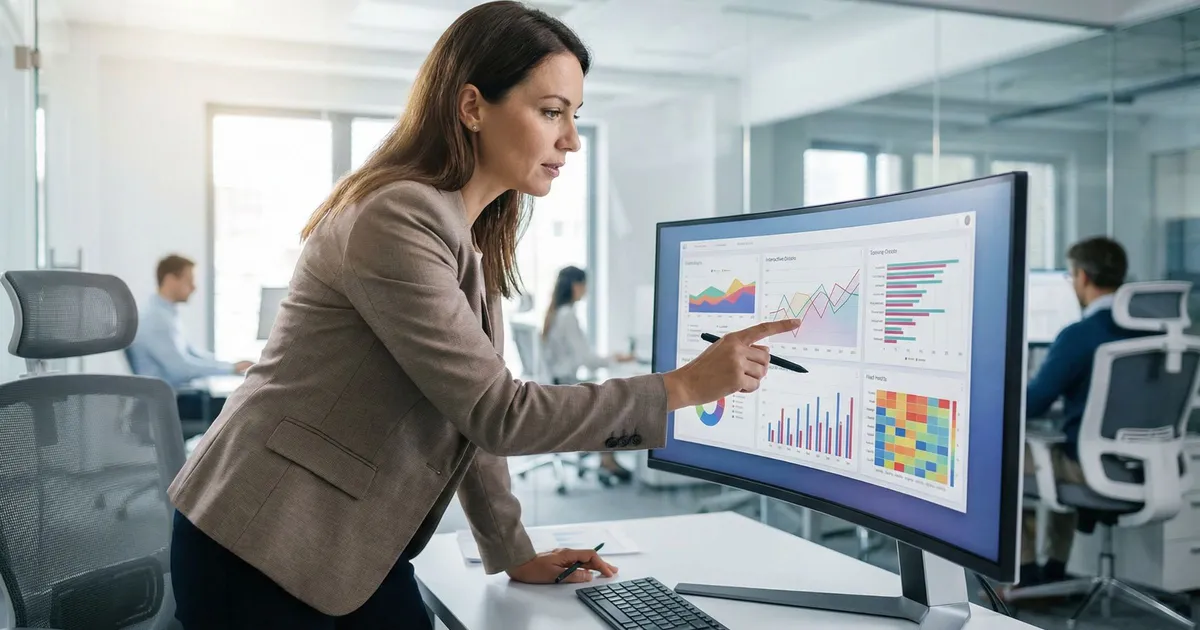
Core Technologies That Help People Work Smarter
Task and Project Management Systems
One of the most impactful uses of technology is task organization. Digital task management platforms provide clarity and structure. Tools like Notion combine notes, tasks, and databases in one system.
Visual project tools such as Trello and Asana help users track progress easily. Clear task ownership reduces confusion and delays.
Breaking work into manageable steps improves consistency and motivation. These tools help individuals and teams stay aligned.
Automation Tools and Workflow Optimization
Automation is one of the strongest examples of working smarter. It removes repetitive manual steps from workflows. People use automation tools to connect apps and trigger actions automatically.
Platforms like Zapier allow users to create rules without coding. For example, new emails can generate tasks automatically. This saves time and reduces errors.
Automation increases reliability while freeing people to focus on higher-value activities.

Cloud Storage and Document Collaboration
Cloud-based tools eliminate the need for physical storage and manual file sharing. People collaborate in real time using shared documents. Version control ensures everyone works on the latest file.
Services like Google Workspace support writing, spreadsheets, and presentations simultaneously. Teams can work together regardless of location.
Cloud tools improve speed, accuracy, and accessibility across organizations.
Google Introduces Gemini 3 Flash for Speed, Scale, and Reasoning
Communication Platforms for Faster Collaboration
Clear communication is essential for productivity. Digital messaging platforms reduce reliance on slow email chains. Tools like Slack organize conversations by topic or project.
Quick updates reduce misunderstandings and delays. Shared channels improve transparency and teamwork. Communication becomes more efficient and less disruptive.
This allows teams to move faster without sacrificing clarity.
How Technology Improves Focus and Time Management
Digital Calendars and Scheduling Tools
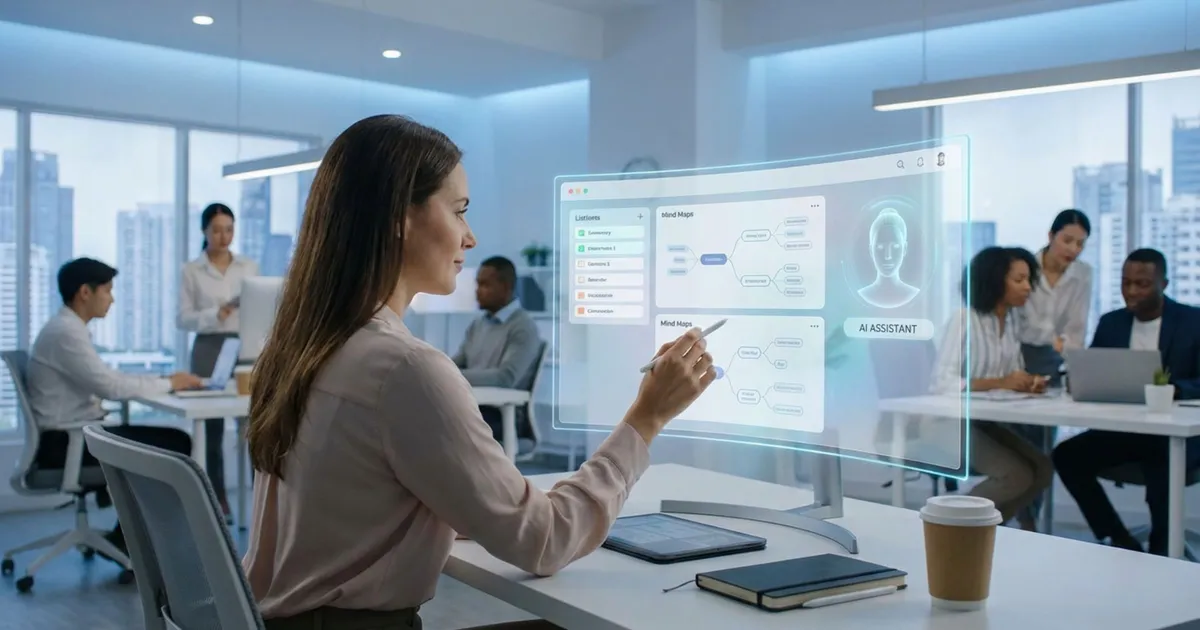
Time-saving technology plays a crucial role in helping professionals manage demanding schedules efficiently. Automation tools handle repetitive actions such as scheduling meetings, organizing emails, and tracking routine tasks. This allows individuals to focus their energy on high-impact work instead of administrative duties. Over time, these small efficiencies add up to significant productivity gains. The result is more meaningful work completed in less time.
Digital calendars, reminders, and task management systems also improve planning accuracy. People can prioritize tasks more effectively and avoid last-minute stress. Notifications and smart alerts reduce the chance of forgetting important responsibilities. When used correctly, these tools create structure rather than distraction. This balance is essential for sustainable productivity.
Focus Tools and Distraction Management
Distractions are one of the biggest threats to productivity. Technology helps people manage attention intentionally. Focus apps block distracting websites and limit notifications.
Timers encourage structured work sessions. This supports deep focus and reduces multitasking. Over time, concentration improves naturally.
By controlling digital environments, people protect their attention and energy.
Prioritization Through Smart Systems
Technology helps people prioritize effectively. Task tools allow users to label urgent and important work. Visual dashboards highlight what matters most.
Instead of reacting to everything, people follow planned priorities. This reduces stress and improves consistency. Important work receives the attention it deserves.
Smart prioritization is a key component of working smarter.
Data-Driven Decision-Making at Work
Using Analytics to Measure Performance
Technology empowers professionals to make informed decisions using real-time data and insights. Analytics tools highlight patterns, performance trends, and areas for improvement. Instead of guessing, individuals rely on measurable information to guide their actions. This reduces errors and increases confidence in decision-making processes. Data-driven work leads to consistent and predictable outcomes.
Even non-technical professionals benefit from simplified dashboards and visual reports. These tools present complex information in an understandable format. As a result, people can identify priorities quickly and allocate resources more effectively. Better decisions reduce wasted effort and unnecessary revisions. Ultimately, technology supports smarter, more strategic work habits.

Reducing Guesswork With Insights
Before digital tools, many decisions relied on intuition alone. Today, technology supplements intuition with data. This reduces risk and improves accuracy.
People identify inefficiencies quickly. Resources are allocated more effectively. Results become more predictable.
Insight-driven work saves time and effort over the long term.
Real-World Examples of Working Smarter With Technology
Remote Workers and Distributed Teams
Remote work depends heavily on technology. Video meetings, shared documents, and collaboration tools keep teams connected. Physical location no longer limits productivity.
Remote workers use tools to manage boundaries and schedules. Automation reduces administrative overhead. Focused workflows support autonomy.
Technology makes flexible work sustainable and effective.
Freelancers and Independent Professionals
Freelancers rely on technology to manage clients and income. Digital tools handle contracts, invoices, and communication. This reduces administrative stress.
Time-tracking and automation tools help freelancers price work accurately. Project management systems prevent missed deadlines.
Working smarter allows freelancers to scale without burnout.
Small Businesses and Entrepreneurs
Small businesses benefit greatly from technology. Automation reduces the need for large teams. Cloud tools lower operational costs.
Entrepreneurs use analytics to test ideas quickly. Marketing tools automate outreach and engagement. Decisions happen faster with better data.
Technology enables growth without excessive risk.
How to Start a Freelancing Career Before 2026: A Complete Guide
Emerging Trends That Support Smarter Work
Artificial Intelligence in Everyday Work
AI tools assist with writing, research, and analysis. They help people complete tasks faster without replacing human judgment. AI acts as a productivity assistant.
These tools reduce cognitive load and speed up routine work. Humans focus on strategy and creativity. This balance supports smarter workflows.
AI adoption continues to grow across industries.
Low-Code and No-Code Platforms
Low-code platforms allow people to build systems without programming knowledge. This democratizes automation and customization. Workflows adapt to specific needs easily.
People create solutions faster without technical barriers. Productivity improves through tailored systems.
Low-code tools empower non-technical users.
The Rise of Asynchronous Work
Asynchronous work reduces the need for constant meetings. Technology supports communication without real-time pressure. People respond when focused.
This improves deep work and reduces interruptions. Teams operate across time zones smoothly.
Asynchronous workflows promote smarter collaboration.
Common Mistakes When Using Technology to Work Smarter
Using too many tools simultaneously
This increases complexity and reduces efficiency.Ignoring training and onboarding
Poor understanding leads to underutilization.Over-automation of human tasks
Some decisions require judgment and empathy.Lack of digital organization
Messy systems reduce clarity and trust.Neglecting cybersecurity basics
Security issues disrupt productivity significantly.
FAQs
Does technology always improve productivity?
Technology helps when aligned with clear goals and proper workflows.
Can technology reduce work stress?
Yes, by removing repetitive tasks and improving organization.
Is working smarter better than working harder?
Smarter work supports sustainable performance and better outcomes.
Do beginners benefit from productivity tools?
Beginners often see immediate improvements with simple tools.
Is learning new tools worth the time?
Long-term efficiency gains outweigh short-term learning effort.
Conclusion
Technology has redefined how people approach work. Instead of relying on effort alone, individuals now use systems, tools, and data to improve efficiency. Working smarter allows people to achieve better results without increasing stress or hours.
From automation to collaboration platforms, technology removes unnecessary friction from daily tasks. It supports focus, clarity, and informed decision-making. When used intentionally, digital tools become powerful productivity partners.
As work continues to evolve, the ability to work smarter will matter more than ever. Those who embrace technology thoughtfully will remain adaptable, efficient, and resilient in the future of work.
Never Miss an Update
Join thousands of readers getting the latest insights on technology, business, and digital marketing.