Expert Insights & Stories
Discover high-quality content across technology, business, lifestyle, and more.
Featured Articles
 Top Pick
Best Productivity Apps for Remote Workers (2025 Guide)
Discover the top productivity apps for remote work in 2026. From communication tools like Slack to project managers like Trello, find the perfect digital toolkit to boost efficiency.
 Top Pick
Google Integrates Opal into Gemini Web for No-Code AI App Creation
 Top Pick
Lovable Raises $330M Series B at $6.6B Valuation - Search Drive
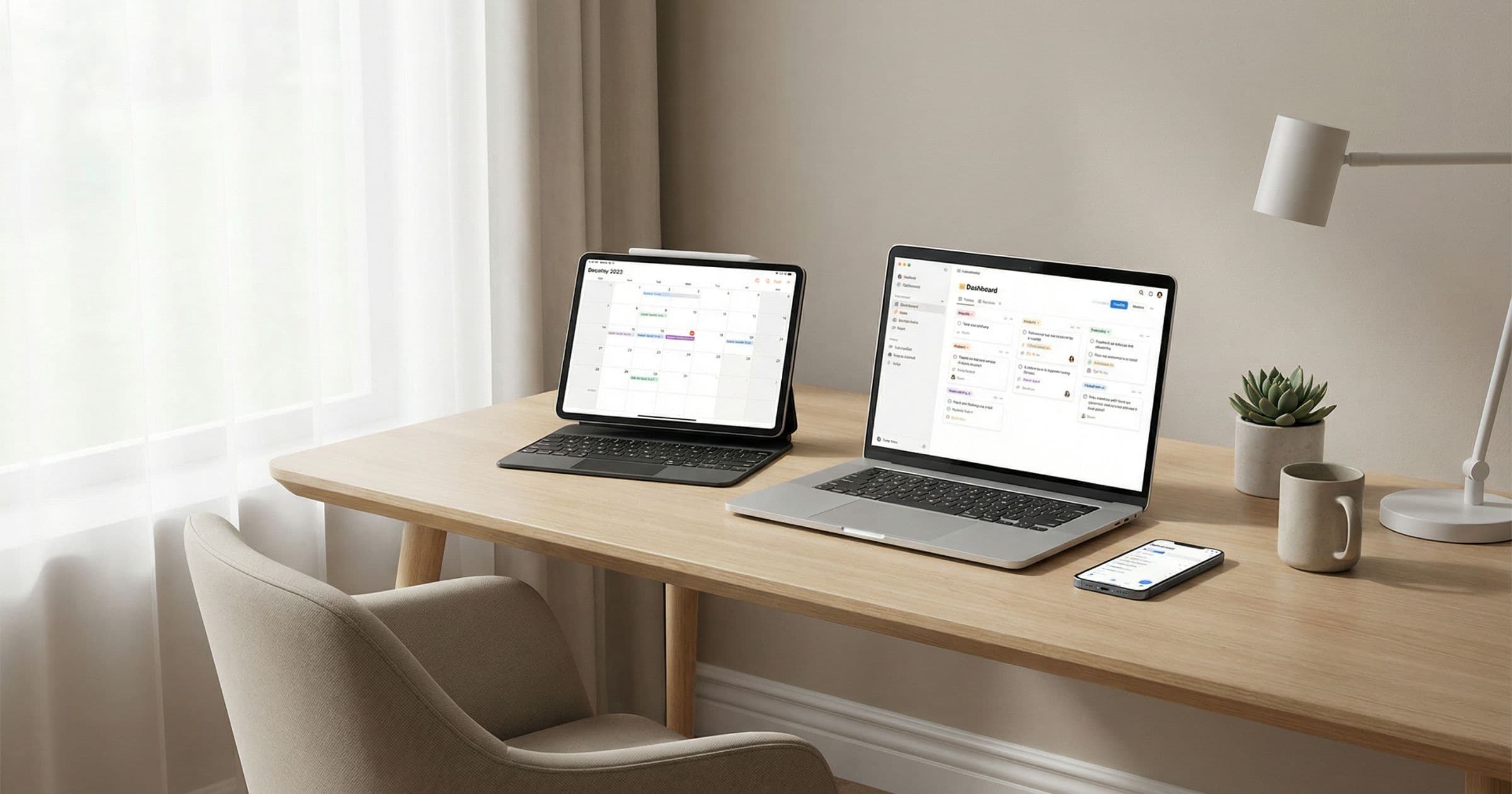
Technology helps automate repetitive tasks and reduce manual workload Digital tools improve focus, collaboration, and time management Remote and hybrid work rely heavily on cloud-based platforms

In late 2025, analysts estimate that the AI agents market is already worth about $7.63 billion , with projections of more than $50 billion by 2030 at a compound growth rate above 45%. At the same time, surveys report tha...

Purchasing a subscription to Asana , Trello ,or ClickUp is the easy part. Getting yourself and your team to actually use these tools effectively is where most organizations struggle. The result? "Zombie Boards" where tas...

Artificial intelligence is no longer reserved for tech companies and researchers. In 2026, some of the most powerful AI tools in the world are available completely free, accessible to anyone with an internet connection. ...

Introduction Why 2025 Is the AI-VA Tipping Point Imagine waking up, and — instead of opening your inbox and sorting through dozens of unread emails — you simply type: “Summarize my unread emails, draft responses to follow-ups, and schedule any urgent meetings...

Running a small business in 2026 means managing countless files, documents, images, and videos. These assets need accessibility from anywhere, at any time. External hard drives and USB sticks can no longer meet modern bu...

Writer's block, tight deadlines, and endless content demands—these challenges face every content creator, blogger, marketer, and business professional. In 2026, AI writing tools have evolved into sophisticated assistants...

Learn what freelancing is and why it will grow massively by 2026. Discover essential beginner-friendly skills for fast entry. Set up your portfolio and profiles for maximum visibility.

Cloud hosting offers significant advantages over traditional hosting solutions including better scalability, improved reliability, enhanced performance, and flexible resource allocation. As websites grow and traffic patt...

tlDr: • Consistent posting drives 2x faster growth (Hootsuite, 2024) • Clear niche positioning accelerates early traction • Focus on content systems, not viral luck

In 2026, AI agents for business are no longer a side project for most companies. Tools powered by large language models now sit inside support desks, CRMs, and internal portals instead of living in isolated experiments. ...

Many legitimate freelance platforms remain free to join in 2026 Paid memberships are optional, not required, on trusted websites Beginners can start freelancing without upfront financial risk