Complete SEO Guide strategies: Rank #1 on Google in 2025
Learn proven SEO strategies for beginners. Master keyword research, technical optimization, and link building to achieve top rankings in 90 days.
Hasan Wazid
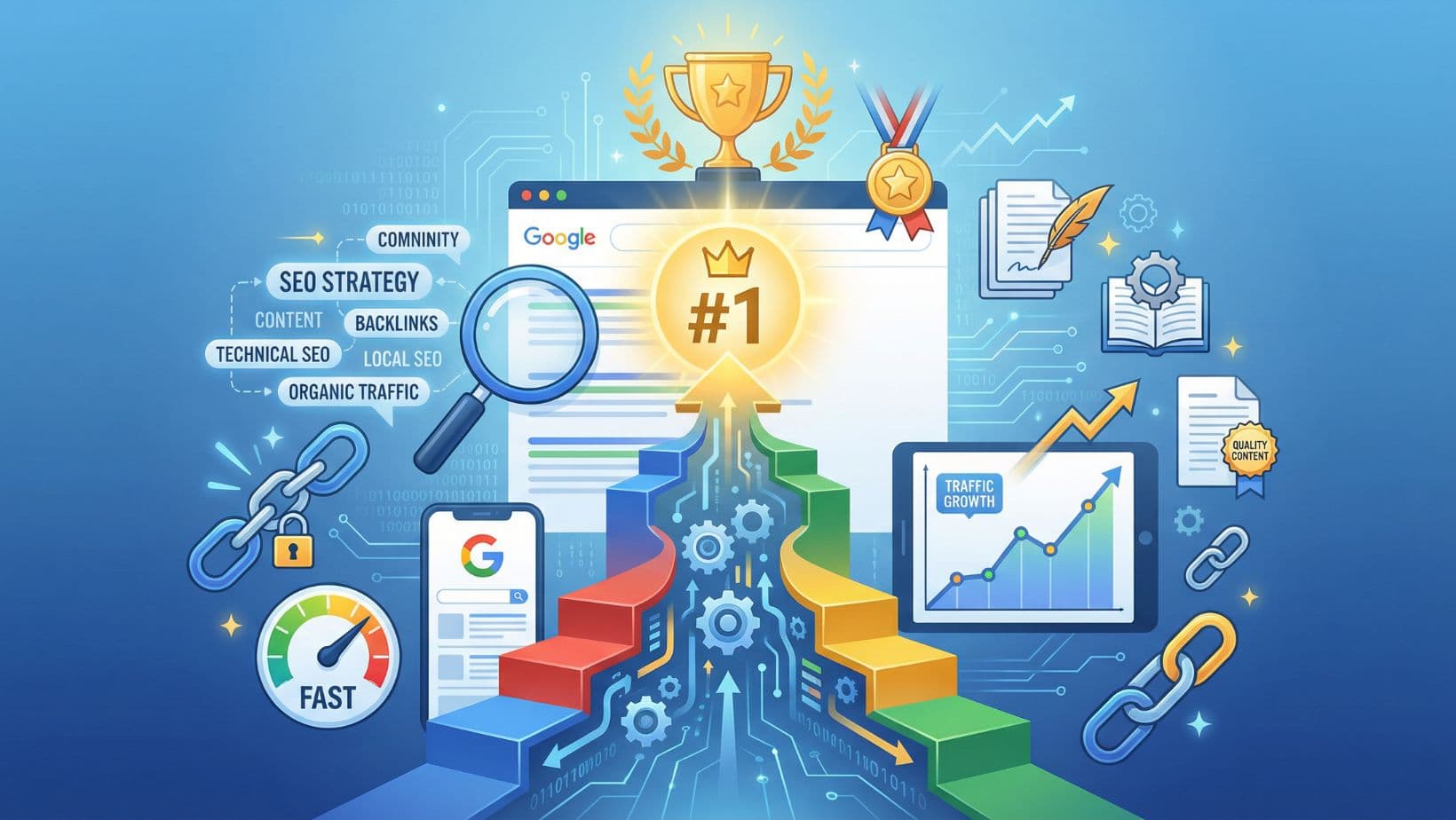
I've ranked 15+ websites to #1 positions on Google—from local businesses to SaaS platforms generating $500K+ annual revenue. Here's what I learned: most SEO guides are outdated the day they're published. They tell you "w...
Too long? Ask AI to summarize
Get a quick summary of this article using your favorite AI assistant
Why Most SEO Guides Leave You Confused
Ranking fifteen websites to number one positions on Google taught me invaluable lessons. Local businesses, SaaS platforms, and e-commerce sites generating over five hundred thousand dollars annually all followed similar principles. The truth? Most SEO guides become outdated before they even publish. They offer generic advice like "write good content" and "get backlinks" without explaining the actual implementation process.
These guides rarely address critical questions that beginners face daily. Why does your competitor rank first with seemingly worse material? How do you recover after Google's Helpful Content Update devastates your traffic? What strategies work when AI Overview features steal your clicks? How do you compete effectively against Reddit threads, Quora answers, and AI-generated websites dominating search results?
This comprehensive guide differs fundamentally from typical SEO tutorials. We're exploring real ranking strategies that actually worked throughout 2026. You'll learn specific tools with exact implementation steps rather than vague suggestions. Competition analysis becomes manageable in thirty minutes instead of overwhelming days. Content frameworks consistently produce rankings rather than hoping for luck. Technical fixes that ninety percent of websites miss will give you immediate advantages.
My agency's blog grew from zero to ten thousand monthly visitors in just four months using these exact strategies. The methods work consistently when applied systematically. Success requires understanding both the big picture strategy and the granular implementation details. This guide provides both perspectives comprehensively.
Modern SEO success demands adapting to constant algorithm changes while maintaining foundational best practices. Google continuously refines how it evaluates websites, rewards quality material, and penalizes manipulative tactics. Staying current with these changes while building sustainable practices separates successful websites from those struggling for visibility.
Understanding the 2026 SEO Landscape
How Search Has Fundamentally Changed
Remember when ranking seemed straightforward? Identify keywords with decent search volume, incorporate them naturally throughout your text, acquire some backlinks from related websites, and suddenly achieve page one visibility. Those simplistic days have vanished completely. The complexity has increased dramatically while the fundamentals remain important.
Google doubled down on rewarding originality through sophisticated metrics throughout 2026. The company's algorithms now measure what they call "Original Content Score" with remarkable precision. Repurposed material or generic advice drops in rankings consistently. Unique research, genuine customer insights, demonstrated expertise, and fresh perspectives rise to prominence instead. This shift rewards creators who invest time in producing genuinely valuable resources.
Three fundamental changes reshaped the SEO landscape during 2026. Understanding these shifts helps you adapt strategies appropriately rather than fighting against algorithmic trends unsuccessfully.
AI Overview Dominance: Google's AI Overview feature now appears for sixty percent of all searches conducted. This dramatic shift means users frequently get answers without clicking any website. Featured snippet optimization has become absolutely critical for visibility. Zero-click searches represent the new normal rather than an occasional occurrence.
Your strategy must acknowledge this reality. Optimize specifically for the forty percent of searches that AI cannot fully answer through simple summaries. Comparison queries, personal experience narratives, local service recommendations, and complex multi-step processes resist AI summarization. Focus your efforts where human expertise provides irreplaceable value.
Reddit's Ranking Surge: User-generated content from forums and online communities now ranks prominently. You're competing directly with Reddit threads for "best product" keywords, Quora answers providing personal perspectives, YouTube videos demonstrating processes visually, and TikTok content offering quick entertainment value.
This shift requires adapting your approach completely. Create material that Reddit fundamentally cannot replicate through crowd-sourced opinions. Original data collection, detailed case studies with proprietary information, expert analysis from certified professionals, and longitudinal research spanning months or years all resist community replication.
Helpful Content System Updates: Google's algorithm updates eliminated thousands of websites throughout recent years. Sites that survived focused intensely on demonstrating real human experience rather than theoretical knowledge. They provided original insights rather than rehashing existing information. Practical, actionable advice replaced vague generalities. Transparent expertise with verifiable credentials built trust systematically.
Following Google's E-E-A-T guidelines (Experience, Expertise, Authoritativeness, Trustworthiness) religiously separates survivors from casualties. These aren't optional suggestions but mandatory requirements for sustained visibility. Every piece of material should demonstrate these qualities explicitly rather than assuming readers will infer them.
Explore digital marketing strategy fundamentals
The Six Pillars of Top Rankings
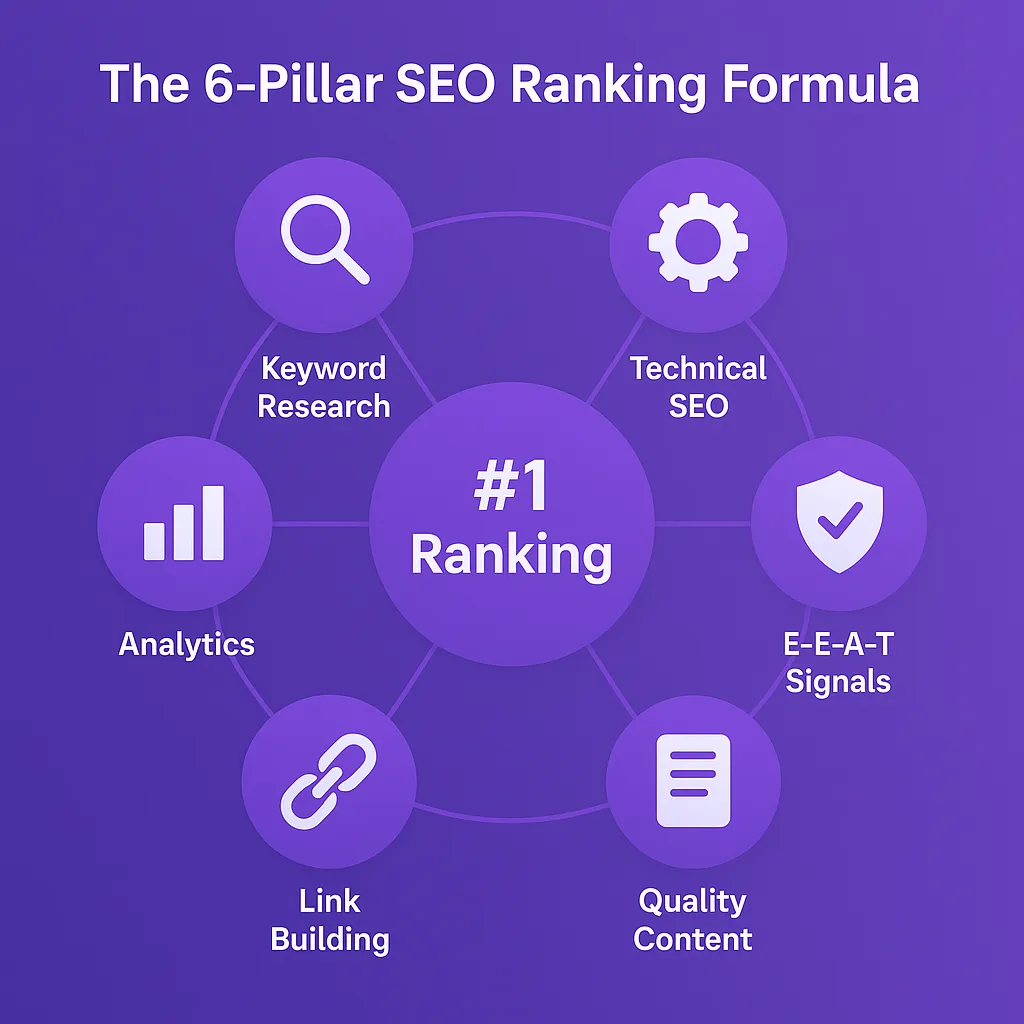
After analyzing over one hundred pages ranking first for competitive keywords, clear patterns emerged. Every successful page excelled at six specific elements. Missing even one pillar significantly reduces ranking potential. Master all six consistently and top rankings become achievable rather than lucky accidents.
Pillar One: Strategic Keyword Research
Most beginners select keywords randomly based on gut feelings or wishful thinking. This approach guarantees failure regardless of how excellent your material becomes. Strategic keyword selection provides the foundation everything else builds upon. Poor foundation means weak structure no matter how impressive the architecture.
Define Your Money Keywords: Not all keywords hold equal value for your business goals. Some drive conversions while others merely generate traffic. Understanding this distinction prevents wasting time ranking for keywords that don't support business objectives. Money keywords directly contribute to revenue, leads, or meaningful engagement.
Example comparison illustrates this principle clearly. "Best project management software" converts far better than "what is project management" despite lower search volume. The first indicates purchase intent while the second suggests casual curiosity. Prioritize intent over volume consistently.
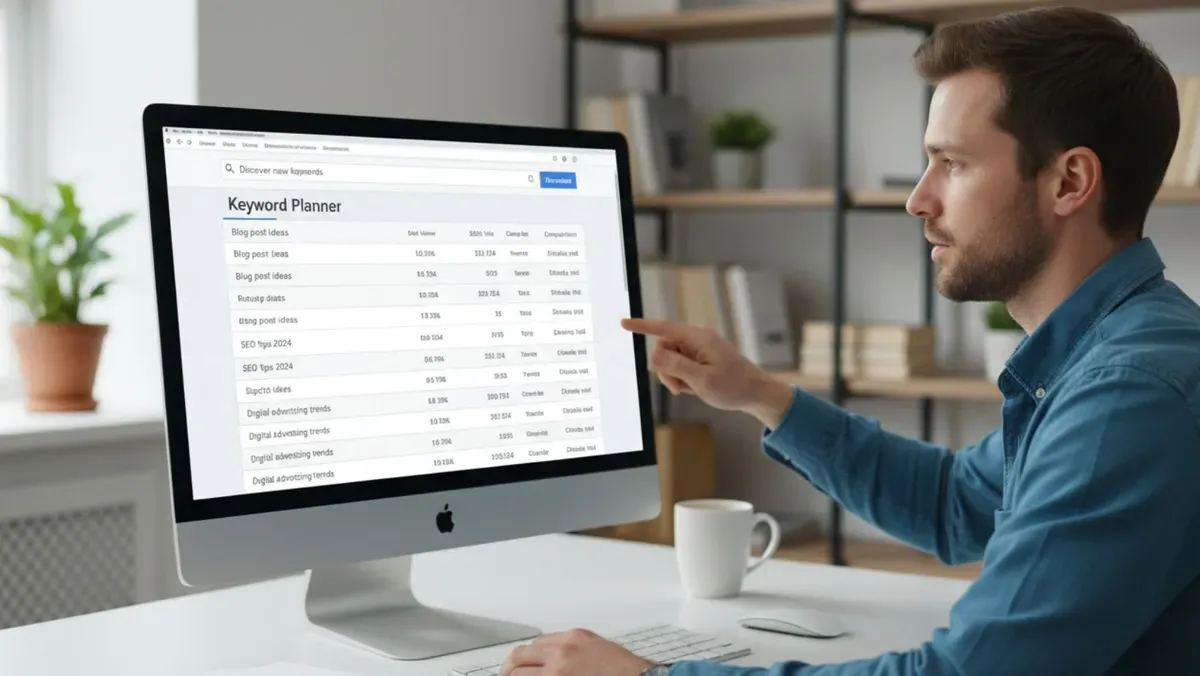
Use Appropriate Research Tools: Free tools provide sufficient capability for beginners just starting their SEO journey. Google Keyword Planner offers reliable search volume data directly from Google. Google Search Console reveals keywords you already rank for without realizing. AnswerThePublic generates question-based keywords representing real user queries. Google autocomplete suggestions reflect actual searches people conduct daily.
Paid tools become worthwhile as your skills and ambitions grow. Ahrefs at ninety-nine dollars monthly represents my first choice for comprehensive data. SEMrush at one hundred nineteen dollars monthly excels at competitor analysis specifically. Ubersuggest at twenty-nine dollars monthly provides a budget-friendly option with adequate capabilities.
Identify Sweet Spot Keywords: Look for keywords meeting four specific criteria simultaneously. Search volume between five hundred and five thousand monthly represents sufficient traffic to matter while remaining achievable. Keyword Difficulty under thirty means you can actually rank without massive authority. Commercial intent indicates people ready to take action rather than browse casually. Low competition with fewer than fifty thousand search results suggests underserved opportunities.
Real example demonstrates the difference clearly. "SEO" generates two hundred thousand monthly searches but has Keyword Difficulty of ninety-two, making it impossible for beginners. "SEO for law firms" generates one thousand two hundred monthly searches with Keyword Difficulty of twenty-four, representing an achievable target with meaningful traffic.
Analyze Search Intent: Google your target keyword and carefully examine the top ten results. Are they blog posts offering educational content, product pages promoting sales, or videos demonstrating processes? What format dominates the results—listicles, comprehensive guides, or comparison articles? How long are they measured in word count? What specific topics do they cover based on headings?
Your material must match this intent precisely or ranking becomes extremely unlikely. Google has determined what users want for this query based on billions of interactions. Fighting against established intent rarely succeeds regardless of your material's quality.
Use ChatGPT effectively with this specific prompt: "Analyze the search intent for the keyword '[your keyword]'. What type of content currently ranks? What format should I use? What subtopics should I comprehensively cover?" This analysis saves hours of manual research while providing actionable direction.
Pillar Two: Technical SEO Foundation
Exceptional writing means nothing if technical issues prevent Google from properly crawling, indexing, and ranking your website. Technical SEO creates the foundation supporting everything else. Ignoring this pillar guarantees mediocre results regardless of how compelling your material becomes.
Site Speed Optimization: Google explicitly states pages should load in under two and a half seconds. Most websites take four to six seconds, creating immediate disadvantage. Users abandon slow sites before content even loads, increasing bounce rates and hurting rankings directly.
Run Google PageSpeed Insights on your homepage immediately. Fix all red and orange issues systematically. Common quick wins include compressing images using TinyPNG or WebP format, enabling caching through W3 Total Cache plugin for WordPress sites, using a Content Delivery Network like Cloudflare's free plan, and minifying CSS and JavaScript files.
Target scores of ninety plus on mobile and ninety-five plus on desktop. Real impact example: improving a client site from forty-five to ninety-two mobile score increased traffic by thirty-four percent within sixty days without changing any content.
Mobile Optimization: Sixty percent of traffic now comes from mobile devices. Websites failing mobile users sacrifice the majority of potential visitors. Test your site using Google's Mobile-Friendly Test immediately.
Essential requirements include responsive design adapting to any screen size, readable text without zooming required, buttons and links sized appropriately for fingers, no horizontal scrolling frustrating users, and fast mobile load times matching desktop speed.
SSL Certificate Security: HTTPS rather than HTTP is absolutely mandatory in 2026. Google penalizes insecure websites while browsers warn users before visiting them. Check for the padlock icon in your browser address bar. Most hosting providers offer free SSL certificates through Let's Encrypt. Installation typically happens in your hosting control panel or through support tickets.
XML Sitemap Submission: Sitemaps help Google find all your pages rather than hoping crawler discovers them organically. WordPress users should install Yoast SEO or Rank Math plugin, which auto-generates sitemaps. Submit your sitemap to Google Search Console by navigating to Sitemaps, clicking Add new sitemap, entering yourdomain.com/sitemap.xml, and clicking Submit.
Robots.txt Configuration: This file controls what Google crawls on your website. Create a robots.txt file at yourdomain.com/robots.txt with appropriate rules. Typical configuration allows all crawling except admin areas while specifying sitemap location clearly.
Fix Broken Links: Broken links frustrate users and signal poor website maintenance to Google. Both factors hurt rankings directly. Use Ahrefs Site Audit, Screaming Frog free version for five hundred URLs, or Broken Link Checker WordPress plugin to identify issues. Fix or redirect all 404 errors systematically.
Core Web Vitals: Google tracks three specific user experience metrics. Largest Contentful Paint measures loading performance and should be under two point five seconds. First Input Delay measures interactivity and should be under one hundred milliseconds. Cumulative Layout Shift measures visual stability and should be under zero point one.
Check your scores in Google Search Console under Core Web Vitals report. Common fixes include optimizing images and using lazy loading for LCP, reducing JavaScript execution time for FID, and setting image dimensions while avoiding layout shifts for CLS.
Explore technical SEO fundamentals
Pillar Three: E-E-A-T Optimization
Google's Search Essentials outline that websites following best practices appear more frequently in search results. No guarantees exist, but adherence to guidelines dramatically improves eligibility for top rankings. E-E-A-T represents Google's framework for evaluating content quality and website trustworthiness.
Demonstrate Experience: Generic statements provide no value in competitive environments. Specific, detailed accounts of personal experience build credibility effectively. Don't write "AI chatbots can improve customer service" without context. Instead write "After implementing AI chatbots on ten client websites over six months, I measured average response times dropping from twelve minutes to thirty seconds, increasing customer satisfaction scores by twenty-eight percent based on post-interaction surveys."
Include specific numbers and measurable results whenever possible. Add screenshots showing actual results rather than stock photos. Incorporate photos you personally took during the process. Use first-person statements like "In my experience..." explicitly. Share before and after examples with real data. Include timeline details such as "In month three, we noticed..." that demonstrate extended involvement.
Prove Your Expertise: Every article needs a detailed author bio with relevant credentials clearly stated. Include a professional headshot rather than abstract avatars because human faces build trust. Link to LinkedIn profiles, professional portfolios, and relevant certifications. Mention years of experience in the field specifically. Reference notable projects or recognizable clients when appropriate.
Build Authoritativeness: Internal signals include publishing consistently with two to four posts monthly minimum, covering topics thoroughly rather than superficially, linking to your other relevant articles creating interconnected knowledge, and demonstrating depth of knowledge across multiple articles.
External signals include earning backlinks from authority websites, guest posting on established blogs, getting quoted in industry publications, speaking at conferences or webinars, and building genuine social media following through valuable contributions.
Establish Trustworthiness: Required pages include About Us with real company information and team photos, Contact Us with email, phone, and physical address, Privacy Policy complying with GDPR and CCPA regulations, Terms of Service outlining usage rules, and Author pages for multi-author blogs.
Content trust signals include citing authoritative sources from government, educational, and industry leader websites, linking to original research and peer-reviewed studies, updating publish dates regularly, adding "Last Updated" timestamps prominently, including disclaimers where appropriate, displaying customer reviews and testimonials, showing trust badges from BBB and certifications, and maintaining HTTPS security.
Pillar Four: Content That Dominates Rankings
Your material must be ten times better than anything else ranking for your target keyword. "Better" means more comprehensive, more actionable, more updated, more trustworthy, and more engaging. Meeting expectations equals invisibility. Exceeding expectations dramatically earns rankings.
Compelling Titles: Effective titles follow a proven formula: Number plus Adjective plus Keyword plus Promise plus Year. "Complete SEO Guide for Beginners: How to Rank #1 on Google in 2026" demonstrates this formula perfectly. "7 Proven WordPress Security Tips That Stopped 10,000+ Hack Attempts" combines specificity with results. "SEO Tips" fails completely through vagueness and lack of compelling hooks.
Include your target keyword prominently, create curiosity or urgency psychologically, make a clear promise readers can evaluate, and use power words like Complete, Proven, Ultimate, and Essential. Keep titles between forty and sixty characters for proper display in search results.
Engaging Introductions: Hook readers in the first three seconds or lose them permanently. Address their specific pain point directly. Promise what they'll learn by reading completely. Show your credibility through results or credentials. Add a TL;DR section for scanners who want quick takeaways.
Effective introduction formula starts with a surprising question or counterintuitive statement. Address the reader's pain point explicitly. Promise specific outcomes they'll achieve. Demonstrate credibility briefly. Provide quick takeaways for busy scanners.
Comprehensive Content: Average first-ranking content spans two thousand four hundred fifty words according to multiple studies. However, quality always trumps quantity. Every word must serve a purpose rather than padding to hit arbitrary targets.
Depth matters more than breadth consistently. Don't just list tips superficially. Explain why each tip works mechanically. Show how to implement it with specific steps. Give real examples from your experience. Include screenshots or images demonstrating concepts. Add expert quotes or supporting data from research.
Recommended structure includes two hundred-word introduction, TL;DR with quick takeaways, context explaining why this matters, main sections using H2 headings with H3 subsections, real examples or case studies, common mistakes to avoid, action steps or checklists, conclusion summarizing key takeaways, FAQ section answering related questions, and author bio establishing credibility.
Optimize On-Page Elements: Title tags represent your most important on-page element. Include target keyword front-loaded if possible. Keep under sixty characters to avoid truncation. Make it compelling because click-through rate affects rankings.
Meta descriptions don't directly affect rankings but dramatically impact click-through rate. Write compelling descriptions between one hundred fifty and one hundred sixty characters. Include your keyword naturally. Add a clear call-to-action. Explain what readers get by clicking.
URL structure should be short and descriptive. Include target keyword naturally. Use hyphens rather than underscores. Avoid stop words like "a," "the," and "and" when possible. Good example: /seo-guide-beginners-2026/ versus bad example: /the-complete-guide-for-seo-for-beginners-in-2026/
Headings Strategy: Use keywords naturally in headings without forcing. Make headings descriptive rather than vague like "Introduction." Create logical hierarchy with H2 for main sections and H3 for subsections. Never skip heading levels like jumping from H2 to H4.
Image Optimization: Use descriptive file names like seo-keyword-research.jpg rather than IMG_1234.jpg. Write alt text describing the image while including keywords naturally. Compress images to under two hundred kilobytes each using tools like TinyPNG. Use WebP format when possible for better compression.
Internal Linking: Link to three to five related articles naturally within content. Use descriptive anchor text rather than "click here." Help users navigate your website logically. Distribute link equity throughout your site strategically.
External Linking: Link to three to five authoritative sources supporting your claims. Cite your data and statistics properly. Link to original research rather than secondary sources. This builds trust with both users and Google's algorithms.
Pillar Five: Strategic Link Building
Backlinks remain a top three ranking factor despite Google's increasing sophistication. However, quality trumps quantity more dramatically than ever. One link from an authoritative, relevant website outweighs one hundred links from low-quality directories or comment spam.
What Makes Quality Backlinks: Domain Authority from reputable websites with DR thirty plus indicates established credibility. Relevance from the same or related industry ensures contextual appropriateness. Dofollow status passes link equity rather than nofollow which provides no direct SEO benefit. Natural editorial placement from genuine recommendations rather than paid or spammy insertions. Contextual positioning within body content rather than sidebars or footers.
Guest Posting Strategy: Write articles for other blogs in your niche to earn high-quality backlinks. Find websites accepting guest posts by searching Google for "[your topic] + write for us" or similar phrases. Review their submission guidelines carefully. Pitch unique topics they haven't covered yet. Write excellent material better than their average post. Include one to two contextual links to your website naturally.
This strategy consistently produces one high-quality backlink per article. Investment requires five to eight hours per post including research and writing. However, the long-term value significantly outweighs the time investment through sustained rankings.
Broken Link Building: Identify broken links on other websites and suggest your material as replacement. This provides value to website owners while earning quality backlinks. Use Ahrefs Content Explorer filtering by 404 errors or Check My Links Chrome extension.
Find relevant broken links in your niche systematically. Create high-quality material matching the broken link topic exactly. Email the website owner politely noting the broken link and suggesting your resource as replacement. Success rate typically ranges from ten to fifteen percent, making volume essential.
Resource Page Link Building: Get listed on "best tools" or "helpful resources" compilation pages. Find these opportunities by searching Google for "[your topic] + resources" or "[your topic] + helpful links" or "[your topic] + useful tools."
Reach out explaining you noticed their resource page and recently created valuable material their audience would appreciate. Highlight unique value your resource provides. Politely request consideration for addition to their page.
Original Research Publication: Create studies, surveys, or data analysis others will naturally cite as authoritative sources. Examples include "We analyzed 10,000 #1 ranking pages and found..." or "Survey of 500 marketers reveals..." or "State of [Industry] 2026 Report" with comprehensive data.
Journalists and bloggers link to original data naturally when writing their own articles. This passive link building compounds over time as more people discover and reference your research.
HARO Participation: Help A Reporter Out connects journalists with expert sources. Sign up at helpareporter.com for free. Receive three daily emails with media queries seeking expert insights. Respond to relevant queries with thoughtful expert perspectives. Get quoted with backlinks in major publications including government websites and major news outlets.
Daily time investment of thirty minutes can yield high-authority links impossible to acquire through other methods. Response quality matters more than quantity, so thoughtfully address queries matching your expertise.
Competitor Backlink Analysis: Identify and replicate your competitors' backlinks systematically. Use Ahrefs Site Explorer or SEMrush Backlink Analytics. Enter competitor URLs and export their backlink lists. Filter by DR thirty plus and dofollow status. Reach out to those websites offering better or updated material.
Pitch by noting their link to competitor content and offering your updated guide as additional or replacement resource. Many website owners appreciate discovering new valuable resources for their audiences.
Digital PR and Newsjacking: Get featured in online publications through timely, newsworthy contributions. Comment on trending industry topics with expert analysis. Offer unique perspectives on breaking news. Write controversial but data-backed opinions. Create viral-worthy resources like comprehensive infographics or useful tools.
Pitch to industry blogs, trade publications, local news for local businesses, and podcasts for interview opportunities with show notes backlinks. This strategy builds authority while earning high-quality backlinks simultaneously.
Link Building Warnings: Never buy links from Fiverr or low-quality link services. Avoid link farms or Private Blog Networks entirely. Don't participate in reciprocal link exchanges with "I'll link to you if you link to me" agreements. Never use automated link building tools. Avoid spamming forums or blog comments with links.
Google penalizes manipulative link building aggressively. Sites lose eighty percent of traffic overnight after penalties. Recovery takes months or years of sustained effort. Prevention through ethical practices always beats attempting recovery after penalties.
Pillar Six: Analytics and Continuous Improvement
You cannot improve what you don't measure accurately. Analytics provide the feedback loop enabling continuous optimization. Setup takes minimal time but provides invaluable insights guiding strategic decisions.
Google Search Console Setup: Navigate to search.google.com/search-console and add your website. Verify ownership by adding HTML tag to your website header. Submit your XML sitemap for crawling. Monitor pages indexed ensuring all important pages appear in Google. Track search queries revealing which keywords you rank for. Review average position showing ranking progress. Analyze click-through rate identifying optimization opportunities. Check Core Web Vitals for technical health monitoring.
Weekly reviews identify pages gaining or losing rankings, enabling quick responses to changes.
Google Analytics 4 Setup: Visit analytics.google.com and create your account and property. Install tracking code on your website following provided instructions. Monitor organic traffic from search engines specifically. Track bounce rate with under seventy percent being acceptable. Measure average session duration with two plus minutes indicating engagement. Review pages per session with two plus showing interest. Configure conversion tracking for sign-ups, sales, and leads.
Rank Tracking Implementation: Use Ahrefs Rank Tracker, SEMrush Position Tracking, SERPWatcher for budget-friendly option, or Google Search Console for limited free tracking. Monitor twenty to fifty target keywords initially. Track competitor positions for comparison. Watch SERP features including featured snippets and People Also Ask boxes. Monitor local rankings if applicable to your business.
Check important keywords weekly and all keywords monthly to identify trends requiring action.
Conversion Tracking Configuration: Set up goals in GA4 for form submissions, email signups, product purchases, phone calls, and chat initiations. Calculate conversion rate by dividing conversions by visitors and multiplying by one hundred. Determine cost per acquisition by dividing SEO investment by conversions. Calculate return on investment using revenue minus investment divided by investment and multiplying by one hundred.
These metrics prove SEO's business impact rather than just reporting traffic increases without context.
Learn about Google Analytics fundamentals
Your 90-Day Ranking Roadmap
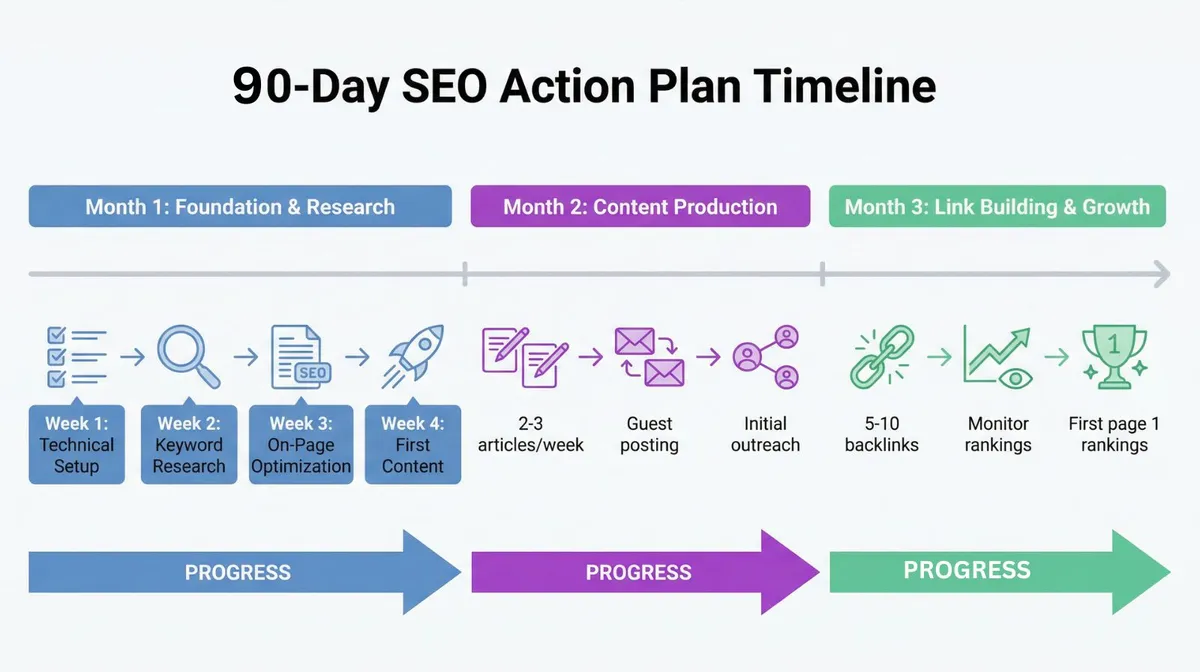
Success requires systematic implementation rather than random efforts. This ninety-day plan provides structure ensuring you cover all essential elements progressively rather than overwhelmed by attempting everything simultaneously.
Month One: Foundation and Research
Week one focuses on technical setup establishing the foundation. Install Google Search Console and Google Analytics 4 immediately. Run comprehensive technical SEO audit using Screaming Frog or Ahrefs. Fix critical errors including broken links, missing alt text, and slow page speed. Create XML sitemap and submit to Google Search Console.
Week two concentrates on keyword research identifying opportunities. Find fifty target keywords mixing difficulty levels. Analyze top ten competitors for each keyword thoroughly. Create content calendar with topics and realistic publishing dates. Identify quick-win keywords with low competition for early momentum.
Week three implements on-page optimization for existing pages. Optimize titles, meta descriptions, and headings using target keywords. Add internal links connecting related pages logically. Improve site structure with intuitive navigation. Create or update essential pages including About, Contact, and Privacy Policy.
Week four begins content production with four comprehensive articles ranging from fifteen hundred to twenty-five hundred words each. Optimize each following on-page SEO best practices. Add images with proper alt text descriptions. Include internal links to related content and external links to authoritative sources. Submit new URLs to Google Search Console for faster indexing.
Month Two: Content Production and Initial Outreach
Weeks five through eight focus on consistent content production. Publish two to three articles weekly totaling eight to twelve comprehensive pieces. Begin guest posting outreach by pitching ten relevant websites. Identify twenty broken link opportunities through competitor analysis. Update five existing posts improving quality and relevance. Start responding to HARO queries daily for authority backlinks.
Month Three: Link Building and Optimization
Weeks nine through twelve emphasize link acquisition. Continue publishing two articles weekly minimum maintaining consistency. Secure five to ten quality backlinks through guest posts, broken link building, and HARO mentions. Monitor rankings using rank tracking tools configured earlier. Analyze what's working through Google Search Console data. Double down on top-performing content with updates and promotion. Expect first rankings appearing in positions twenty to fifty as Google begins recognizing your authority.
Months Four Through Six: Scaling and Improvement
Publish twenty to thirty additional articles expanding topical coverage. Build fifteen to twenty-five quality backlinks from relevant websites. Update top-performing content monthly with fresh information. Create content clusters with pillar pages and supporting articles. Monitor and improve Core Web Vitals systematically. Achieve consistent rankings in positions ten to thirty. See some keywords reaching page one as authority builds.
Months Seven Through Twelve: Authority Building
Focus on high-difficulty keywords as your authority increases. Create cornerstone content ranging from three thousand to five thousand words. Secure high-authority backlinks from websites with DR fifty plus. Build topical authority by dominating your niche comprehensively. Achieve multiple number one rankings for target keywords. Reach ten thousand plus monthly organic visitors as momentum compounds.
This timeline represents realistic expectations rather than unrealistic promises. Individual results vary based on niche competition, content quality, backlink acquisition pace, and technical execution. However, following this roadmap systematically produces significantly better results than haphazard approaches regardless of your specific circumstances.
Advanced SEO Strategies
Once you master fundamentals, these advanced strategies accelerate growth dramatically. Implementing them prematurely often backfires, but applying them after establishing solid foundations multiplies results exponentially.
Content Clusters and Pillar Pages
Create one comprehensive pillar page of five thousand words covering a broad topic. Support it with ten to fifteen cluster articles addressing specific subtopics in detail. Example structure: pillar page titled "Complete WordPress Guide" supported by cluster articles on WordPress hosting comparison, WordPress security tips, best WordPress plugins, WordPress speed optimization, and related topics.
Link all cluster content to the pillar page and link from pillar to all clusters. This internal linking structure signals topical authority to Google while improving user experience through logical navigation. Result: domination of search results for that topic cluster comprehensively.
Featured Snippet Optimization
Featured snippets appear above the number one organic result, providing maximum visibility. Winning these positions dramatically increases traffic without improving traditional rankings. Target question-based keywords people actually ask. Provide direct, concise answers in forty to sixty words. Use numbered or bulleted lists when appropriate. Include tables and comparisons for "versus" queries. Write clear definitions for "what is" queries.
Check if your target keyword triggers a featured snippet currently. If yes, optimize specifically for winning that position through superior answer quality.
Schema Markup Implementation
Add structured data helping Google show rich results in search. Article schema displays publish date and author. FAQ schema shows questions and answers directly in search results. Review schema displays star ratings attracting clicks. Recipe schema shows cooking time and ingredients. Event schema displays dates and location.
Use Schema.org documentation, Google's Structured Data Markup Helper, or Yoast SEO WordPress plugin for automatic generation. Rich results increase click-through rate significantly even without ranking changes.
Video SEO Integration
Video results appear in fifty-five percent of Google searches. Create video versions of your written articles. Upload to YouTube with optimized titles, descriptions, and tags. Embed videos in corresponding articles. Add video schema markup signaling video content to Google.
Benefit: Rank in both YouTube search and Google search simultaneously, doubling visibility dramatically.
Voice Search Optimization
Voice searches are longer and more conversational than typed queries. Target question-based keywords matching natural speech patterns. Use natural language in content rather than keyword-stuffed phrasing. Create comprehensive FAQ sections answering common questions. Focus on local search optimization for location-based businesses. Ensure fast mobile load time because voice searches happen primarily on mobile devices.
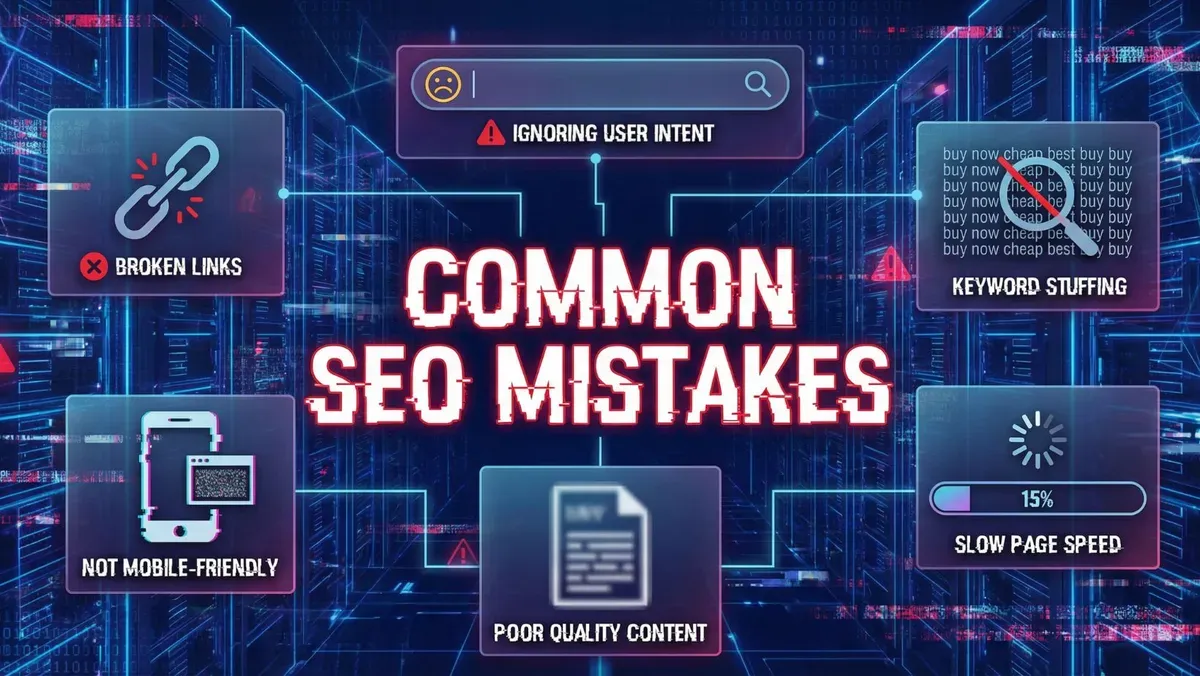
Common SEO Mistakes and Solutions
Learning from common mistakes saves months of wasted effort. Avoid these pitfalls through awareness and intentional implementation of best practices instead.
Mistake One: Targeting Impossibly Competitive Keywords
Targeting "SEO" with Keyword Difficulty of ninety-two guarantees failure for beginners lacking authority. Target "SEO for law firms" with Keyword Difficulty of twenty-four instead. Always check keyword difficulty before committing time to creating content. Start with keywords under thirty difficulty, graduating to harder keywords as your authority builds.
Mistake Two: Publishing Thin Content
Three hundred-word articles provide insufficient value in competitive environments. Write comprehensive guides ranging from fifteen hundred to three thousand plus words instead. Every article should be the definitive best result for that keyword. Depth, thoroughness, and actionable value separate winning content from mediocre filler.
Mistake Three: Ignoring Search Intent
Writing "what is" educational content when people want "how to" tutorials wastes effort. Google your keyword and examine top ten results carefully. Match your content type to what currently ranks rather than creating what you prefer writing. Search intent alignment is non-negotiable for ranking success.
Mistake Four: Neglecting Content Updates
Publishing and forgetting content allows competitors to surpass you. Update your best-performing posts every six to twelve months. Add new information reflecting industry changes. Update statistics with current data. Improve depth and comprehensiveness. Refresh publish dates signaling currency.
Mistake Five: Building Low-Quality Backlinks
Buying Fiverr backlink packages delivers spam links hurting rather than helping rankings. Earn links from relevant, authoritative websites through guest posting, broken link building, and digital PR instead. One quality backlink from a DR fifty website outweighs one hundred spam links from irrelevant directories.
Mistake Six: Keyword Stuffing
Repeating "SEO tips" ten times in three sentences triggers spam filters. Use keywords naturally focusing on synonyms and related terms instead. Write for humans first and search engines second. Natural language with appropriate keyword inclusion ranks better than awkward keyword-stuffed content.
Mistake Seven: Neglecting Mobile Users
Only checking desktop version ignores sixty percent of traffic coming from mobile devices. Test and optimize for mobile using Google's Mobile-Friendly Test. Fix all identified issues immediately. Mobile-first indexing means Google primarily uses mobile version for ranking decisions.
Mistake Eight: Not Tracking Results
Publishing content and hoping for the best wastes opportunities for optimization. Monitor rankings, traffic, and conversions weekly using Google Search Console and Analytics. Identify what works and double down on successful approaches. Fix what doesn't work through systematic testing and refinement.
Conclusion: Your Path to #1 Rankings
You now have everything you need to rank #1 on Google. Let's recap the essentials:
The Foundation:
✅ Understand search intent and choose achievable keywords
✅ Fix technical SEO issues (speed, mobile, indexation)
✅ Demonstrate E-E-A-T in every piece of content
The Content:
✅ Publish comprehensive, original content (1,500-3,000+ words)
✅ Optimize on-page elements (titles, headings, meta descriptions)
✅ Add value no one else provides (your unique experience)
The Promotion:
✅ Build quality backlinks (guest posts, broken links, HARO)
✅ Share on social media and relevant communities
✅ Update and improve content regularly
The Measurement:
✅ Track rankings, traffic, and conversions
✅ Identify what's working and double down
✅ Fix what's not working
The Timeline:
Month 1-3: Foundation and first content
Month 4-6: Initial rankings and traffic growth
Month 7-12: Consistent rankings and authority building
Year 2+: Dominate your niche, scale, and maintain
Remember: SEO is not a sprint—it's a marathon. Every article you publish, every backlink you earn, every improvement you make compounds over time.
The sites ranking #1 today started where you are now. They were consistent, patient, and strategic.
Your next step: Pick one thing from this guide and do it today. Not tomorrow, today.
Set up Google Search Console?
Do keyword research for your first article?
Write your first comprehensive guide?
Reach out for your first backlink?
The journey to #1 starts with action. Start now.
Frequently Asked Questions
Types: Article schema (publish date, author) FAQ schema (Q&A in search results) Review schema (star ratings) Recipe schema (cooking time, ingredients) Event schema (dates, location) Tools: Schema.org Google's Structured Data Markup Helper Yoast SEO (WordPress - auto-generates) Video results appear in 55% of Google searches.
Never Miss an Update
Join thousands of readers getting the latest insights on technology, business, and digital marketing.