Digital Marketing Skills for Career Growth in 2025
Build future-proof digital marketing skills for career growth in 2026, covering SEO, content, analytics, automation, and strategy in one complete guide.
Naeim Ahmed

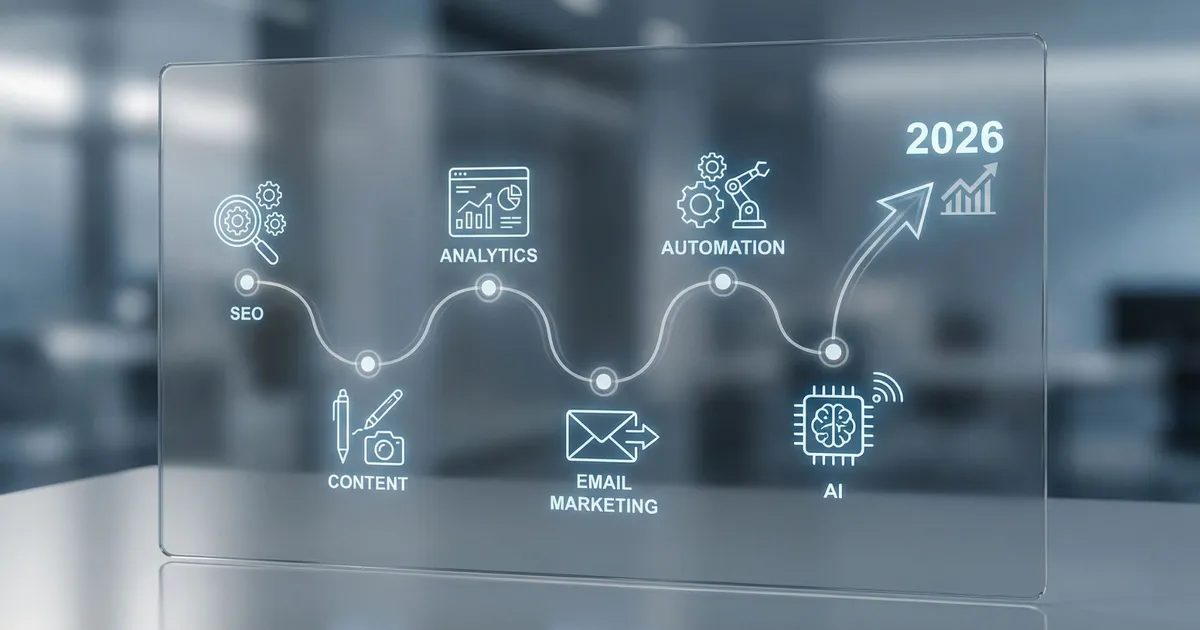
Digital marketing skills are essential for career growth in 2026 Employers value practical skills over formal degrees Content, data, and automation skills dominate hiring trends
Too long? Ask AI to summarize
Get a quick summary of this article using your favorite AI assistant
Introduction
Digital marketing is evolving faster than almost any other career field. As businesses shift more operations online, professionals who understand modern digital strategies are becoming essential across industries. In 2026, companies are not just looking for specialists, but adaptable marketers who can think strategically and execute efficiently.
Career growth in digital marketing now depends on a combination of technical skills, creative thinking, and data literacy. Simply knowing how to post content or run ads is no longer enough. Professionals must understand how digital systems connect, how audiences behave, and how results are measured.
This guide explores the most important digital marketing skills you need to grow your career in 2026. Whether you are a beginner, a freelancer, or an experienced professional, this article provides a clear roadmap for future success.
Why Digital Marketing Skills Matter More in 2026
Digital platforms are now central to how brands communicate, sell, and build trust. Consumers research products online, compare options digitally, and expect personalized experiences. This shift makes digital marketing skills valuable in almost every business role.
In 2026, automation and artificial intelligence will handle repetitive tasks. However, human skills such as strategy, creativity, and analysis will become even more important. Professionals who understand how to guide tools rather than replace themselves with them will stand out.
Career stability also improves with digital expertise. These skills are transferable across industries, allowing professionals to adapt to changing job markets and work remotely or independently.
Core Digital Marketing Skills for Career Growth
Content Strategy and Planning
Content strategy is the foundation of successful digital marketing. It involves understanding what to publish, where to publish it, and why it matters to the audience. In 2026, content planning focuses more on long-term value than short-term trends.
Professionals who understand content strategy can align business goals with audience needs. This includes planning blog posts, videos, email campaigns, and social media content in a structured way. Strong planning reduces wasted effort and improves consistency.
A well-developed content strategy supports SEO, social media growth, and brand trust. It also makes performance easier to measure and improve over time.
SEO and Search Visibility Skills
Search engine optimization remains one of the most valuable digital skills. In 2026, SEO focuses more on content quality, user intent, and experience rather than technical tricks. Professionals must understand how people search and why.
Keyword research, on-page optimization, and internal linking remain essential. However, understanding search intent and content depth is now equally important. Pages that genuinely answer questions perform better long term.
SEO skills help marketers create content that works continuously without paid promotion. This makes SEO knowledge valuable for businesses with limited budgets.
Learn more about SEO fundamentals from Moz’s Beginner Guide to SEO.
Analytics and Data Interpretation
Data literacy is no longer optional in digital marketing. Professionals must understand how to read reports, identify trends, and make decisions based on evidence. In 2026, employers value marketers who can explain results clearly.
Analytics skills include tracking traffic, engagement, conversions, and user behavior. Knowing what metrics matter prevents misinterpretation and wasted effort. Data-driven decisions improve efficiency and confidence.
Marketers who can connect data insights to strategy gain leadership trust. This skill often leads to faster career growth.
Platform-Specific Skills
Website and Blog Management
Websites are still the central hub of digital marketing efforts. Professionals do not need to code, but they must understand site structure, page speed, and navigation. These elements directly affect user experience and search visibility.
Blog management includes content updates, internal linking, and performance optimization. In 2026, updating existing content is as important as publishing new articles. This approach improves rankings and saves time.
Understanding how content supports business goals strengthens a marketer’s strategic value.
Social Media Strategy Skills
Social media marketing now focuses more on community building than viral reach. Professionals must understand platform behavior, content formats, and posting consistency. Each platform requires a slightly different approach.
Strategic skills include planning content calendars, analyzing engagement, and adjusting messaging. Posting without strategy often leads to burnout and poor results. Structured planning improves performance.
See How to Grow Your Social Media Accounts From Zero (Step-by-Step Guide for foundational strategies.
Email Marketing and Communication Skills
Email Campaign Strategy
Email remains one of the highest-performing digital channels. In 2026, successful email marketing focuses on relevance rather than frequency. Segmentation and personalization are essential skills.
Professionals must understand how to design campaigns that educate, nurture, and convert audiences. Poorly planned email campaigns often lead to unsubscribes and lost trust. Strategy prevents this.
Email skills support sales, retention, and customer relationships.
Writing for Digital Audiences
Clear and engaging writing is a powerful career skill. Digital writing requires clarity, structure, and empathy. In 2026, readers prefer content that respects their time.
Strong writing improves blog performance, emails, landing pages, and social media posts. Professionals who write clearly communicate ideas faster and reduce confusion.
Writing is not just creativity; it is problem-solving through language.
Marketing Automation and Tool Literacy
Understanding Automation Systems
Automation tools help manage workflows, emails, and reporting. In 2026, professionals are expected to understand how automation supports efficiency. You do not need to master every tool, but you must understand the concept.
Automation allows marketers to focus on strategy instead of repetitive tasks. Knowing when and how to automate improves productivity.
Tool literacy also makes collaboration easier across teams.
AI-Assisted Marketing Skills
AI tools support content generation, analysis, and optimization. However, human judgment remains critical. Professionals must know how to guide AI output rather than depend on it blindly.
In 2026, AI is most effective when used as an assistant, not a replacement. Marketers who combine creativity with AI efficiency gain a competitive advantage.
Ethical use and quality control remain essential.
Branding and Strategic Thinking
Brand Positioning Skills
Branding is about perception, not visuals alone. Professionals must understand how messaging, tone, and values align across platforms. Consistency builds recognition and trust.
Strategic marketers protect brand identity while adapting content to different audiences. This balance is highly valued in leadership roles.
Brand understanding improves long-term campaign effectiveness.
Personal Branding for Career Growth
Personal branding supports visibility and credibility. Sharing insights, experiences, or educational content positions professionals as experts. In 2026, many opportunities come through online presence.
Personal branding does not require constant posting. It requires clarity, authenticity, and value.
A strong personal brand supports freelancing, promotions, and networking.

Paid Advertising Knowledge (Foundational)
Understanding Paid Campaign Basics
While not everyone becomes a paid ads specialist, basic understanding is valuable. Professionals should understand objectives, targeting, and budgeting principles. This knowledge improves collaboration.
Paid media skills also help evaluate campaign performance realistically. Knowing limitations prevents unrealistic expectations.
Foundational knowledge adds flexibility to your career profile.
Measuring Campaign Performance
Understanding metrics such as click-through rates and conversions helps evaluate success. Professionals must know how to analyze results and suggest improvements.
Clear reporting builds trust with stakeholders. This skill often separates junior and senior professionals.
Measurement supports smarter decisions and career growth.
Ethical and Compliance Awareness
Data Privacy and User Trust
Privacy awareness is essential in digital marketing. Professionals must understand ethical data use and transparency. Trust is a long-term asset.
In 2026, respecting user data is both a legal and reputational requirement. Ethical marketers reduce risk for businesses.
Responsible practices strengthen brand loyalty.
Honest and Value-Focused Marketing
Audiences are increasingly skeptical of exaggerated claims. Honest messaging performs better long-term. Professionals who prioritize value build stronger relationships.
Ethical marketing supports sustainable growth. It also aligns with AdSense and platform policies.
Trust remains the most valuable currency in digital marketing.
Soft Skills That Support Digital Careers
Adaptability and Learning Mindset
Digital marketing changes quickly. Professionals must stay curious and adaptable. Learning continuously is more important than mastering one tool.
Those who adapt quickly stay relevant. This mindset supports long-term career resilience.
Adaptability also improves problem-solving ability.
Time Management and Organization
Managing multiple tasks is common in marketing roles. Organization improves consistency and reduces stress. Professionals who plan effectively deliver better results.
Time management supports creativity by reducing pressure. It also improves work-life balance.
These skills become more important as responsibilities grow.
Career Paths Enabled by Digital Marketing Skills
Freelancing and Remote Work
Digital marketing skills support independent work opportunities. Freelancers can work with global clients and flexible schedules. Skills matter more than location.
Diversified skills increase income stability. Freelancing rewards adaptability.
Remote work continues to grow in 2026.
Leadership and Strategic Roles
Experienced marketers often move into leadership positions. Strategic thinking, communication, and analysis support this transition.
Leaders guide teams and align marketing with business goals. Digital expertise becomes a leadership advantage.
Career growth expands beyond execution.
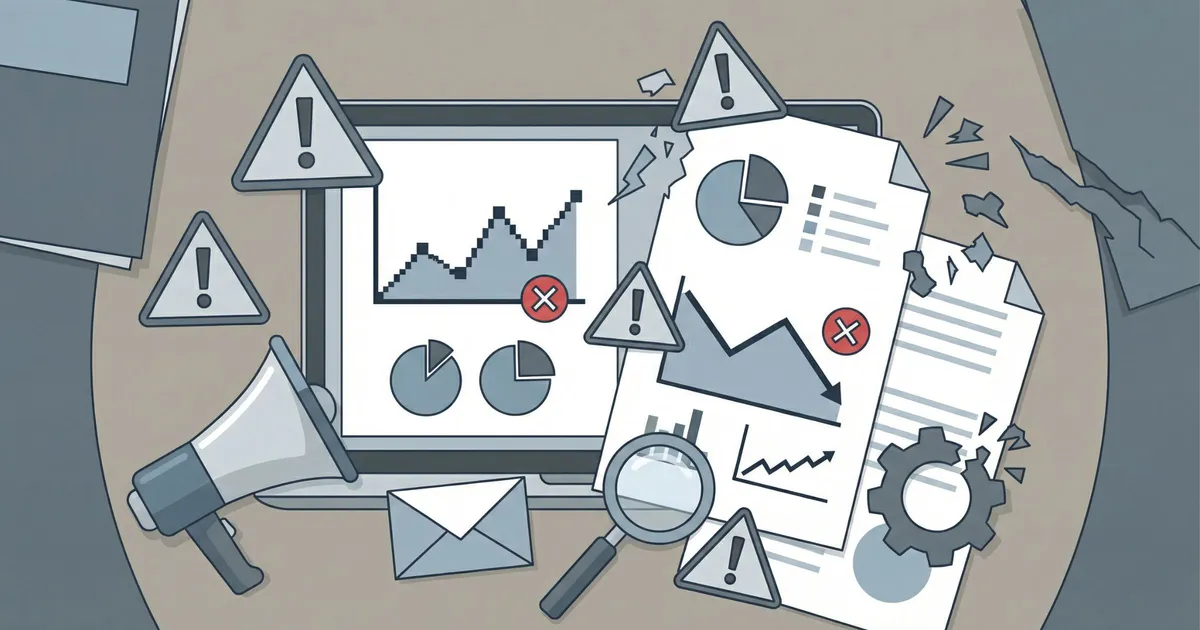
Common Mistakes to Avoid When Building Digital Marketing Skills
1. Trying to Learn Everything at Once
Many beginners make the mistake of learning too many skills simultaneously. Digital marketing is broad, and rushing through topics leads to shallow understanding. Focusing on one skill at a time helps build confidence and practical experience. A strong foundation always performs better than scattered knowledge.
2. Ignoring Data and Performance Metrics
Some marketers rely only on creativity and ignore analytics. Without performance tracking, it is difficult to know what works and what needs improvement. Data helps refine strategies and justify decisions to stakeholders. Strong careers are built on measurable results.
3. Overusing Tools Without Strategy
Tools are meant to support strategy, not replace it. Many professionals jump between platforms without understanding their purpose. This creates confusion and wasted effort. Clear goals should always guide tool selection and usage.
4. Neglecting Writing and Communication Skills
Technical skills alone are not enough in digital marketing. Poor communication can reduce the impact of even the best strategy. Clear writing improves emails, content, reports, and collaboration. Strong communication skills accelerate career growth.
5. Failing to Update Skills Regularly
Digital marketing changes quickly, and outdated knowledge loses value. Some professionals stop learning after landing a job. Continuous learning ensures long-term relevance and competitiveness. Staying updated protects your career.

Conclusion
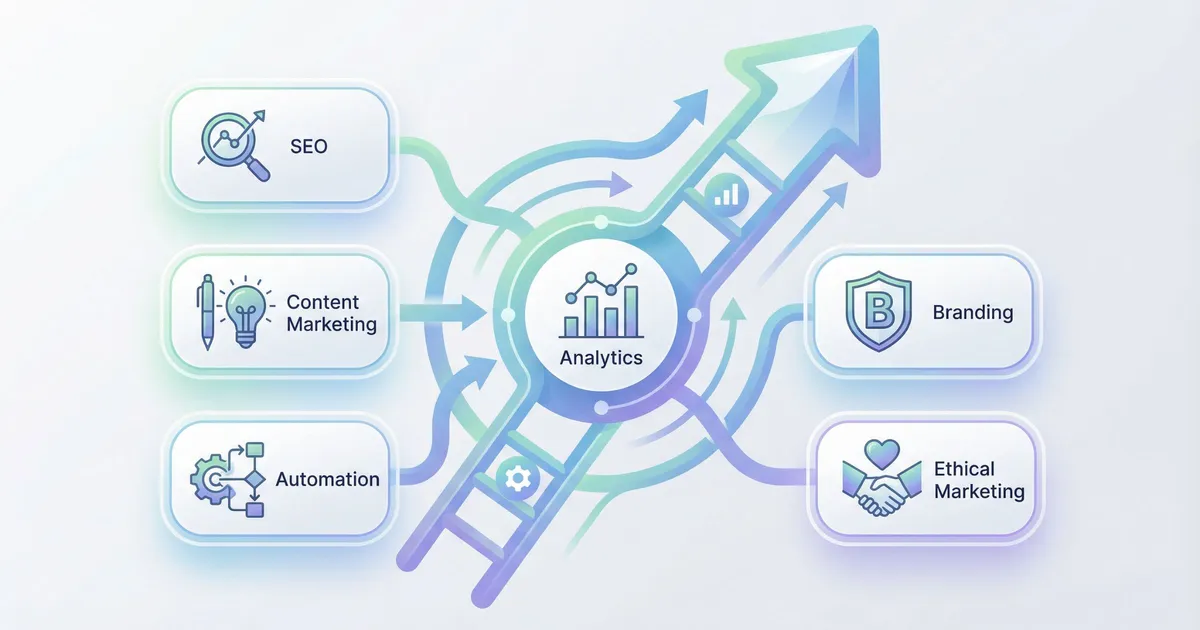
Digital marketing skills will continue to play a critical role in career growth throughout 2026 and beyond. As businesses rely more on digital systems, professionals who understand strategy, content, analytics, and ethical practices gain a strong advantage. These skills create flexibility, stability, and long-term opportunity.
Success in digital marketing does not depend on mastering every tool. It depends on understanding how digital systems work together and how audiences behave. Continuous learning, adaptability, and strategic thinking define future-ready professionals.
By developing these skills thoughtfully, you position yourself for sustainable career growth in an increasingly digital world.
Never Miss an Update
Join thousands of readers getting the latest insights on technology, business, and digital marketing.