Best Smart Home Devices for Beginners: Guide for 2025
Discover the best smart home devices for beginners in 2025, including easy-to-use gadgets that save time, boost comfort, and make your home more convenient.
Naeim Ahmed

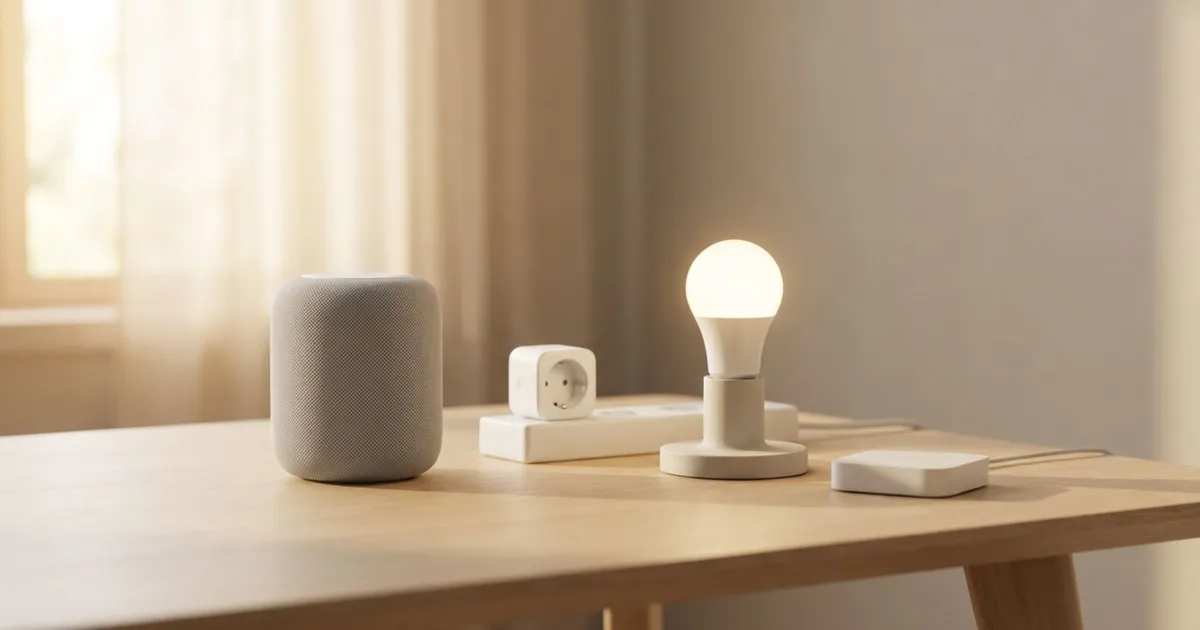
Home automation devices in 2025 are easier than ever for beginners. Most gadgets now work through apps, voice assistants, or simple Wi-Fi pairing. Starting with core devices like speakers, lighting, and plugs creates a solid foundation.
Too long? Ask AI to summarize
Get a quick summary of this article using your favorite AI assistant
Introduction
Home automation has changed dramatically in just a few years, becoming not only more accessible but far more beginner-friendly. Many devices that once required technical knowledge now work through guided apps that walk users step-by-step through setup. Because of this shift, 2025 has become one of the best years for newcomers to experience connected living. More companies have focused on creating simple, reliable products that work smoothly without advanced know-how. These improvements help first-time users enjoy convenience without worrying about complicated installations.
As homes continue to evolve, automation is becoming more about simplifying everyday life rather than adding complexity. Users can now control lighting, appliances, and home security using simple dashboards or voice assistants. Even those with no prior experience find it easy to adjust settings, create schedules, and monitor activity. This guide explores the best beginner-friendly devices of 2025 and provides a clear path for getting started. Whether you want better comfort, improved safety, or effortless control, the tools available today make the process smoother than ever.CNET Smart Home
Understanding Beginner-Friendly Home Automation
What Makes a Device Beginner-Friendly?
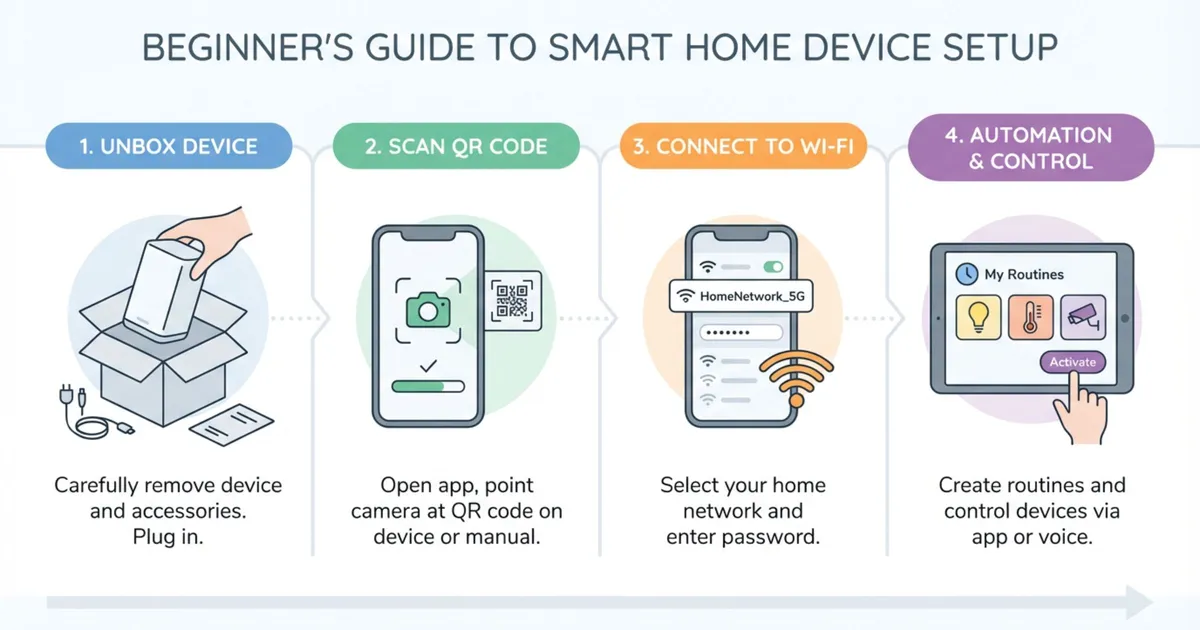
A beginner-friendly device is one that requires minimal effort to install and operate, even for those unfamiliar with new technology. Many devices now include built-in tutorials, QR-code setup, and automatic pairing that reduce the learning curve. These features prevent frustration and help new users confidently explore more options. The clearer the instructions and the fewer steps required, the easier the device is to adopt. Good design matters too, as intuitive interfaces encourage users to experiment with automation features.
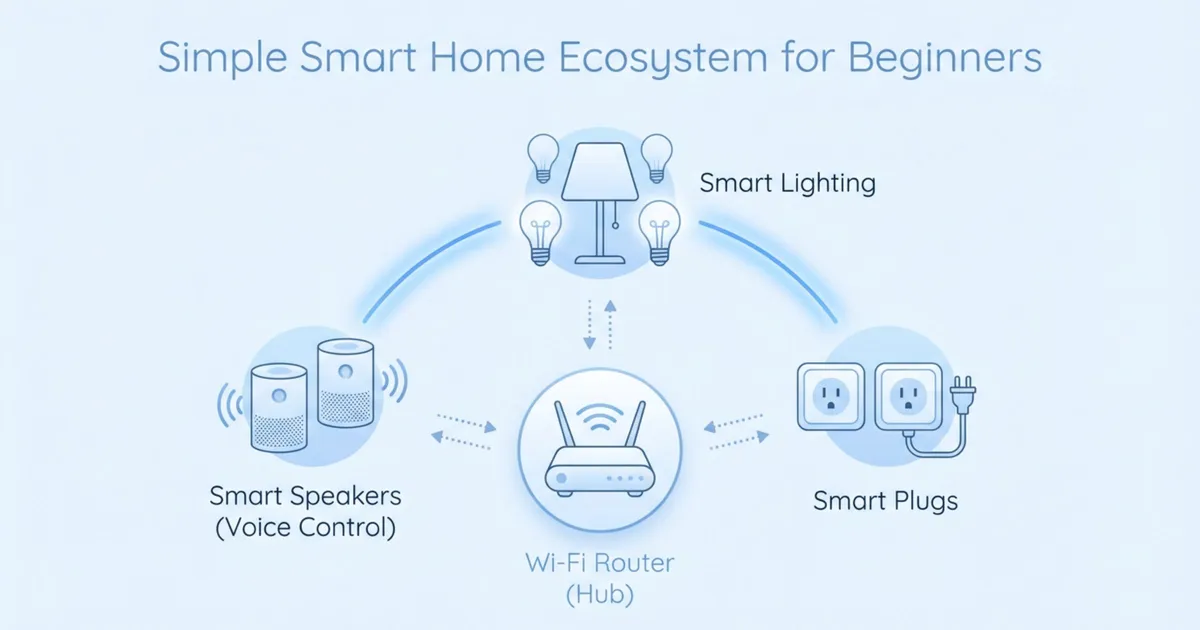
Compatibility plays a major role in how approachable a device feels to a first-time user. Tools that connect to common voice assistants like Google Assistant, Amazon Alexa, and Apple Home reduce the need to learn multiple systems. Additionally, products supporting the Matter standard ensure seamless cross-platform communication. With fewer app downloads and fewer compatibility problems, beginners feel less overwhelmed when building their setup. The best devices help users start small, learn gradually, and expand at their own pace.TechRadar Smart Home
Choosing the Right Ecosystem in 2025
Selecting an ecosystem is one of the most important decisions when starting with home automation. Each major platform—Google Home, Amazon Alexa, and Apple Home—offers unique benefits that cater to different user preferences. Google provides helpful AI-powered suggestions and strong Android integration, making it ideal for those who prefer hands-off control. Amazon excels in versatility and affordability, with broad device support and simple voice interactions. Apple remains a favorite among iOS users seeking strong privacy and consistent performance across their devices.
While beginners can mix platforms, staying within one ecosystem simplifies the experience and prevents the need to switch between multiple apps. Matter-compatible devices make cross-brand usage easier, but keeping a unified system still offers a smoother learning curve. Beginners can explore reliable recommendations and reviews from independent sources such as Consumer Reports or TechRadar for additional guidance. A clear ecosystem choice also makes future upgrades more predictable and reduces the chance of running into compatibility issues later.
Essential Features to Look for in 2025
New automation devices in 2025 include features designed specifically for ease of use, safety, and long-term performance. Automatic firmware updates ensure devices remain functional without manual maintenance, saving beginners from troubleshooting. Many products also integrate energy-saving modes that help reduce electricity use while providing performance data. These features make automation not only convenient but also cost-effective over time. Environmental awareness continues to influence new product designs, resulting in more energy-efficient components.
Security features are another priority in modern devices, as remote control requires reliable protection. Tools with encrypted connections, two-factor authentication, and guest access settings help safeguard user accounts. Privacy-focused brands offer local video storage or data minimization options, providing peace of mind for first-time users. By selecting devices with strong security standards, beginners can confidently manage their homes without worrying about unauthorized access. Understanding these core features helps ensure a smooth and safe automation journey.
The Best Beginner Home Devices of 2025
Voice-Control Assistants (Google Nest Mini, Echo Dot, HomePod Mini)
Voice-controlled assistants are typically the starting point for beginners because they offer simple hands-free control. Users can ask the device to adjust lighting, play music, check the weather, or interact with other connected products. These assistants create a central hub that helps unify different tools under one system. Improvements in microphone sensitivity and natural-language processing make commands more responsive than earlier models. The simplicity of speaking rather than navigating menus appeals strongly to first-time users.
Choosing the right assistant depends mostly on the user’s smartphone preference and ecosystem. Google Nest devices integrate smoothly with Android, while Apple’s HomePod Mini pairs perfectly with iPhone features. Amazon’s Echo Dot offers wide compatibility across brands and a vast library of routines called “skills.” No matter the choice, voice assistants make home automation more accessible and intuitive. They are affordable, require minimal setup, and support an expanding range of daily activities.
Connected Plugs (TP-Link Kasa, Meross Mini, Amazon Plug)
Connected plugs are extremely helpful for beginners because they turn regular household items into controlled devices. Whether someone wants to automate a lamp, fan, coffee maker, or humidifier, these plugs make the transformation simple. They require no wiring, and installation usually takes less than two minutes. Users simply plug the device into the outlet, open the companion app, and follow basic prompts. With just one tool, they can control on/off schedules, timers, and remote access.
Another advantage is their ability to help users monitor energy consumption. Some models show real-time electricity usage data, which can be useful for identifying high-consumption appliances. Beginners appreciate that they can start experimenting with automation without spending a lot of money. These plugs are small, affordable, and effective at introducing the concept of remote control. As users grow accustomed to them, they often add more devices to expand their system.
Connected Lighting (Philips Hue, Wiz, Govee)
Connected lighting enhances ambiance and creates a welcoming environment while remaining easy to install. Users can adjust brightness levels, change color scenes, and automate daily lighting schedules with simple app controls. Many bulbs include presets for relaxation, focus, entertainment, and reading. These personalized options help beginners see immediate benefits from automation. With the addition of voice commands, lighting becomes even easier to manage throughout the day.
Most modern lighting systems are highly energy-efficient thanks to LED technology. They consume less electricity while offering longer lifespans compared to traditional bulbs. Some premium brands even include adaptive lighting features that adjust automatically based on the time of day. More budget-friendly brands provide a wide selection of colors and dynamic effects without requiring additional hubs. Connected lighting remains a top choice for beginners because it offers both functional and aesthetic improvements.
Home Monitoring Cameras (Blink, Eufy, Google Nest Cam)
Home monitoring cameras allow beginners to keep an eye on their home without complicated installations. Many models offer battery-powered options with simple QR-code pairing that takes only a few minutes. These cameras provide clear video, motion notifications, and the ability to check the home remotely. Users can monitor packages, visitors, pets, and general activity through easy-to-use apps. Two-way audio is also common, allowing communication with people at the door.
Privacy-conscious users can choose cameras with local storage or encrypted cloud backups. The features vary across brands, giving beginners flexibility depending on their comfort level. Affordable models provide essential monitoring without unnecessary complexity. As users become familiar with camera features, they may choose to add doorbell cameras, floodlight cams, or indoor monitoring tools. These devices offer peace of mind and enhance the overall sense of home awareness.
Automated Vacuums (Roborock, Eufy Clean, Roomba)
Automated vacuums are popular among beginners because they drastically reduce cleaning time with minimal effort. Many 2025 models use advanced mapping sensors that learn floor layouts quickly. They can navigate around furniture, avoid obstacles, and return to their charging dock automatically. Users appreciate the ability to schedule daily or weekly cleaning routines through the companion app. With features like room targeting and adjustable suction, these devices provide thorough cleaning results.
Some models even include built-in mopping functions, offering a combined cleaning experience. Beginners are often impressed by how much dust the device collects without supervision. Automated vacuums are ideal for homes with pets, busy families, or those who prefer low-maintenance lifestyles. They demonstrate the convenience of automation better than most devices, making them a rewarding addition to a beginner’s setup. Over time, users can upgrade to more advanced models as their needs evolve.
Comparing Device Types
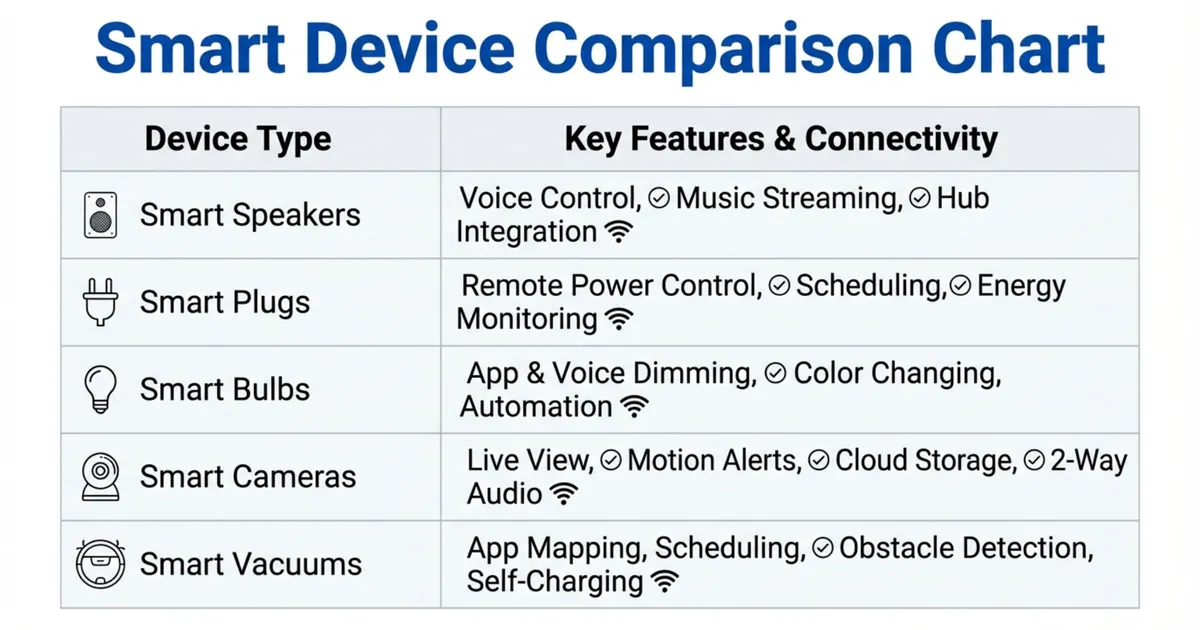
Connected lighting enhances ambiance and mood-making customization. Connected plugs offer flexibility and low-cost automation. Voice-controlled assistants act as the central hub for managing devices easily. Cameras provide greater home awareness, while vacuums offer practical daily convenience. Each type serves different needs and helps form the foundation of an automated home.
Beginners should start with devices that offer the simplest installation and the fastest noticeable benefits. Voice assistants and connected plugs usually provide the easiest introduction. Lighting creates personalization, while monitoring tools and vacuums add functionality. As the user grows more confident, they can expand into thermostats, sensors, and more advanced systems. Learning gradually ensures a smoother, more enjoyable automation experience.
Step-by-Step Guide to Building a Beginner Smart Home
Step 1: Start With a Voice-Control Assistant
Begin with a voice assistant that matches your smartphone ecosystem for smoother operation.
Step 2: Add Connected Plugs
Use plugs to automate lamps and small appliances without complex wiring or technical steps.
Step 3: Expand Into Lighting
Introduce connected bulbs to enhance comfort, ambiance, and nighttime routines.
Step 4: Add Optional Extras
Consider cameras, vacuums, or sensors once you feel more confident using automation tools.
Step 5: Automate Your Daily Routines
Create schedules like morning routines, evening relaxation scenes, or away-from-home modes.
Frequently Asked Questions
1. Are smart home devices difficult to set up?
No — most devices in 2025 pair through QR codes and guided apps, making setup beginner-friendly.
2. Will smart devices increase my internet usage?
Basic devices use very little data, while cameras use moderate amounts depending on video quality.
3. Can smart home devices help me save energy?
Yes. Timers, dimming, and automated shutdowns can reduce electricity usage significantly.
4. Do I need a smart home hub?
Not necessarily. Many modern devices are hub-free and rely on Wi-Fi, especially those supporting Matter.
5. What device should beginners buy first?
Smart speakers or smart plugs are ideal starting points due to low cost and high usability.
5 Common Mistakes Beginners Make (and How to Avoid Them)
1. Buying too many devices at once
Start small for smoother learning.
2. Mixing incompatible brands
Stick to one ecosystem early on.
3. Weak Wi-Fi setup
Place your router centrally for better performance.
4. Ignoring security settings
Enable two-factor authentication.
5. Using too many separate apps
Unify your setup through Google Home, Alexa, or Apple Home.
Conclusion
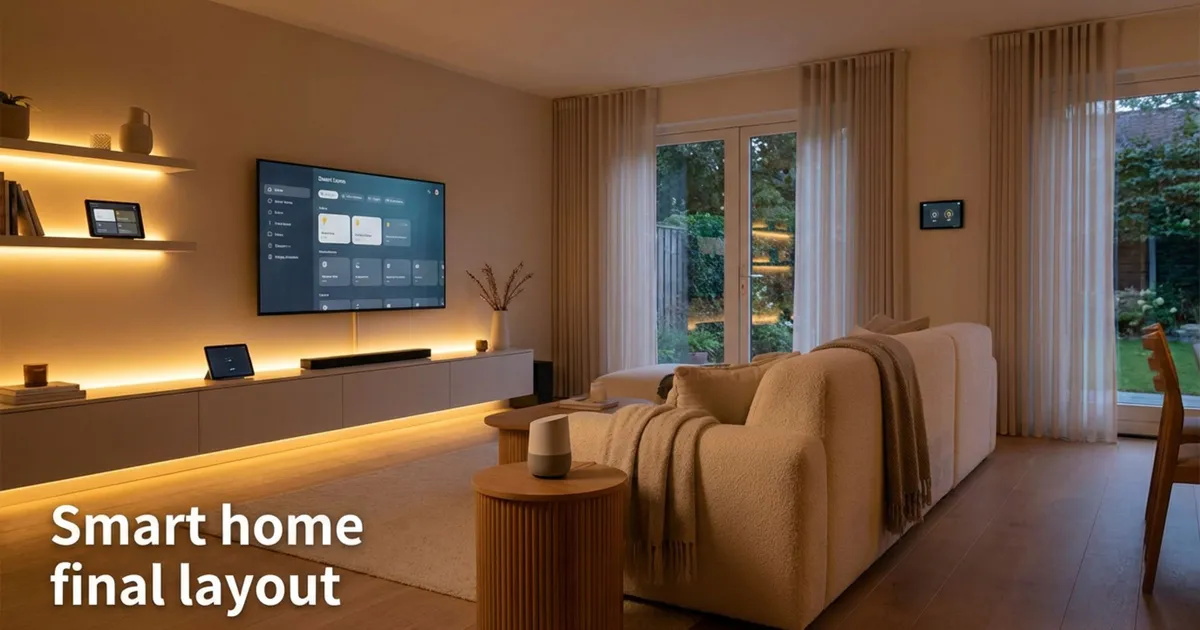
Home automation in 2025 is easier, smoother, and more accessible than ever before. The devices designed today remove technical barriers and allow beginners to enjoy convenience without feeling overwhelmed. Whether you start with lighting, voice assistants, or simple connected plugs, every step provides immediate value. Over time, users can expand into more advanced tools as their confidence grows. With a thoughtful approach, beginners can create a more comfortable, efficient, and enjoyable home environment that evolves with their lifestyle.Consumer Reports
Never Miss an Update
Join thousands of readers getting the latest insights on technology, business, and digital marketing.